互動式田菁品種比較工具 — 找到最適合您的品種
互動式西班牙豆品種比較工具 — 找到最適合您的品種
Not all sesbania is the same. Compare 6 species across 8 performance metrics — nitrogen fixation, drought tolerance, waterlogging resistance, fodder quality, and more. Use our interactive radar chart and recommendation engine to choose the right variety for your soil, climate, and farming goals.
田菁品種之間有什麼區別?
西班牙豆品種之間有什麼區別?
Sesbania species differ significantly in nitrogen fixation capacity (80–300 kg N/ha), plant height (1–15 m), and environmental adaptability. S. rostrata fixes the most N via unique stem nodules and excels in flooded paddies. S. grandiflora grows tallest and suits agroforestry and food systems. S. sesban balances N-fixation with high-quality fodder. S. aculeata leads in drought tolerance, while S. bispinosa (dhaincha) and S. cannabina serve dual fiber and green-manure roles across varying climates.
品種快速概覽
快速品種概覽
Six sesbania species, each with distinct strengths. Explore the key stats and use cases at a glance.
互動式性能雷達圖
互動式性能雷達圖
Toggle species on and off to compare their performance profiles across all 8 agricultural metrics simultaneously.
田菁品種詳細資料
詳細的西班牙豆品種介紹
Understanding the distinct biological, agronomic, and ecological characteristics of individual Sesbania species is essential for making sound agricultural decisions. Each species occupies a different ecological niche, excels under different soil and climate conditions, and delivers different combinations of benefits — from nitrogen fixation and green manure to fodder, fiber, and human food. Farmers, agronomists, and land managers who can match the right species to their specific farming context will achieve significantly better results than those who treat all Sesbania species as interchangeable.
| Rank | Taxon |
|---|---|
| Kingdom | Plantae |
| Family | Fabaceae |
| Subfamily | Faboideae |
| Genus | Sesbania |
| Species | S. sesban (L.) Merr. |
| Language | Name |
|---|---|
| English | Common sesban, Egyptian sesban |
| Hindi | जनतर (Jantar) |
| Arabic | سيسبان (Sisban) |
| Spanish | Sesbanía común |
| Swahili | Mtambaa |
Sesbania sesban originates from tropical Africa, with its primary center of diversity spanning Ethiopia, Sudan, and Egypt — hence the common name "Egyptian sesban." The species is thought to have been cultivated along the Nile Valley for over two millennia, where ancient Egyptian farmers recognized its soil-building properties. From this origin, it has spread through human cultivation to become pantropical, now naturalized and cultivated across sub-Saharan Africa, South Asia, Southeast Asia, the Caribbean, and Central America. In the wild, it favors river valleys, seasonally flooded plains, roadsides, and disturbed habitats — ecological contexts that give it access to reliable moisture and light.
In sub-Saharan Africa, S. sesban is the cornerstone agroforestry species recommended by ICRAF (World Agroforestry Centre) for the improved fallow system that has transformed smallholder maize farming in Malawi, Zambia, and Zimbabwe. In South Asia, it is grown as a seasonal green manure and fodder shrub across India, Nepal, and Bangladesh. Its pantropical success reflects genuine agronomic versatility rather than mere geographic spread.
The species is notably altitude-tolerant compared to other Sesbania spp. — it can be grown productively up to 2,000 m asl in highland Africa (Rwanda, Ethiopia), whereas most Sesbania species are limited to lowland and mid-altitude zones. This makes it the most suitable species for the densely-populated African highlands where food security pressures are greatest.
Biological nitrogen fixation (BNF) in S. sesban proceeds via symbiosis with Rhizobium bacteria. Nodulation begins 2–3 weeks after germination, with effective pink or red nodules visible on lateral roots by week 3–4. Uninoculated plants on soils lacking native compatible rhizobia will show poor nodulation (pale, ineffective nodules) and significantly reduced N-fixation. Seed inoculation with a commercially formulated Rhizobium inoculant (strain WSM1369 or equivalent) is strongly recommended when establishing S. sesban on new land.
BNF rates of 150–200 kg N/ha/year have been documented across multiple sites in Africa and South Asia using the 15N isotope dilution method, which compares nitrogen accumulation in the legume against a non-fixing reference plant grown under identical conditions. This isotope technique eliminates the overestimation problems inherent in total N difference methods. Actual rates vary with soil mineral N content — high soil N suppresses nodulation and BNF, so S. sesban is most effective on depleted soils where its N-fixation delivers the greatest agronomic benefit.
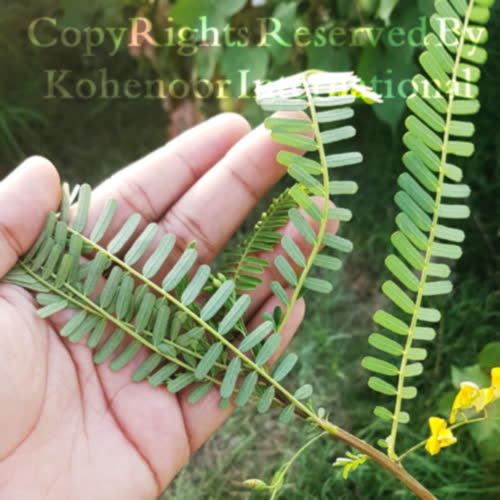
S. sesban germinates rapidly in 5–7 days under warm, moist conditions. Seedlings are vigorous and reach 1 m height within 4–6 weeks of emergence. Flowering commences at 6–8 weeks and the plant reaches agronomically useful maturity for green manure or fodder harvest at 3–4 months. The multi-stemmed shrubby growth habit (which distinguishes it from the single-trunked tree form of S. grandiflora) makes it well-suited to repeated lopping for fodder. Leaves are pinnate with 12–25 pairs of small leaflets, giving a fine-textured, feathery appearance. Flowers are borne in axillary racemes and are purple, white, or bicolored. Pods are 15–30 cm long, slender, and contain 20–40 hard, dark seeds.
For improved fallow use, trees are established at the end of the main cropping season and allowed to grow for 1–2 years before being cut and incorporated into the soil. This multi-year fallow approach allows significant N, phosphorus, and organic matter accumulation. Short-rotation use (3–4 months) as a pre-crop green manure is also effective where land pressure prevents long fallows.
S. sesban is not waterlogging-tolerant. Plants die within 10–14 days of complete inundation — a critical limitation distinguishing it from S. rostrata and, to a lesser extent, S. bispinosa. It also has moderate drought resistance only; prolonged dry spells exceeding 6–8 weeks during the growing period cause severe stress and reduce both biomass production and N-fixation. When grown near waterways in humid climates, it can escape cultivation and become invasive in riparian corridors, which requires monitoring.
The main insect pest is stem borers, particularly Mesoplatys spp. in Africa, which tunnel through main stems and can kill young plants or severely weaken established shrubs. Aphid infestations also occur in cooler conditions, and pod-boring insects attack seed crops. Root-knot nematodes (Meloidogyne spp.) can reduce nodulation in sandy soils. Management is primarily through planting-date manipulation to avoid peak pest pressure and through maintaining vigorous, well-fertilized stands that can outgrow damage.
ICRISAT-led research trials across Malawi and Zambia involving thousands of smallholder farms have documented maize yield improvements of 15–40% following 1–2 year sesban fallows, with the response magnitude directly related to the degree of pre-fallow soil depletion. The FAO Agroforestry Programme has documented N-fixation rates across 47 trial sites in 12 African countries, finding a mean BNF of 166 kg N/ha/year under recommended management. Research by Giller & Cadisch (1995) using 15N techniques confirmed that the N derived from fixation ranges from 45–80% of total plant N, depending on soil mineral N status. Long-term monitoring studies in Zambia (ICRAF/IIRR) show that repeated sesban fallows, when practiced over 5–10 years, reverse soil degradation trajectories on depleted smallholder fields without any synthetic N fertilizer input.
| Rank | Taxon |
|---|---|
| Kingdom | Plantae |
| Family | Fabaceae |
| Subfamily | Faboideae |
| Genus | Sesbania |
| Species | S. grandiflora (L.) Poir. |
| Language | Name |
|---|---|
| English | Agati, Hummingbird tree, West Indian pea |
| Hindi | अगस्त (Agast) |
| Arabic | ساسانيا الكبرى |
| Tamil | அகத்தி (Agathi) |
| Indonesian | Turi |
| Tagalog | Katurai |
Sesbania grandiflora is believed native to the Malay Archipelago and possibly northern India, where it is associated with ancient cultivation — its presence in Sanskrit texts as "Agastya" (the name of a revered sage associated with healing) suggests very long domestication. Today it is one of the most widely cultivated tropical trees in the world, grown across South Asia (India, Sri Lanka, Bangladesh, Myanmar), Southeast Asia (Thailand, Philippines, Indonesia, Vietnam, Cambodia), the Pacific Islands, tropical Africa, the Caribbean, and parts of South America. Unlike S. sesban which colonizes disturbed land naturally, S. grandiflora is almost exclusively found in cultivation — it is a fully domesticated crop tree rarely found naturalizing far from human settlements.
The temperature sensitivity of S. grandiflora is its most important geographic constraint. Even a few nights below 10°C can cause significant leaf drop and physiological stress; sustained exposure below 8°C kills the tree. This limits its cultivation strictly to humid tropical lowlands — it is unsuitable for the subtropical highlands of East Africa or most of the Indo-Gangetic Plains north of the Tropic of Cancer during winter months. Within its thermal envelope, it is a vigorous, fast-growing tree that tolerates a range of soil types from heavy clays to sandy loams, though it performs best in well-drained, moist loamy soils.
Growth rate is extraordinary: seedlings reach 1 m within 3–4 weeks of germination and 4–5 m within the first year. The tree can reach its full height of 8–15 m within 3–5 years. This rapid growth is exploited through coppicing — a management system in which the main stem is cut at 1–1.5 m height, forcing the growth of multiple lateral branches rich in leaves and young shoots. Coppice cycles of 2–3 months yield 8–12 tonnes of leaf biomass per hectare per year across 4–6 harvests, making it one of the highest-yielding fodder trees in the tropics. Coppiced trees rarely achieve their natural height, instead producing a dense, multi-branched canopy at a manageable working height.
Coppicing also stimulates nodulation and N-fixation in the root system. Research in Thailand and the Philippines has shown that coppiced trees maintain higher N-fixation per unit of canopy than unpruned trees, as the stress of cutting stimulates lateral root growth and associated nodule development.
S. grandiflora is unique among Sesbania species in providing multiple edible products consumed regularly in human diets across Southeast and South Asia:
AVRDC (World Vegetable Center) research in Vietnam and the Philippines has documented the nutritional composition of flowers and leaves, confirming their value as micronutrient-dense foods, particularly for rural populations with limited dietary diversity.
N-fixation of 100–150 kg N/ha/year is lower than the best-performing species (S. rostrata) but is meaningful in the context of a long-lived tree system where N accumulates over multiple years. In alley cropping configurations — rows of S. grandiflora planted 4–8 m apart with annual crops in the alleys — annual pruning delivers leaf mulch containing 50–80 kg N/ha/year to the alley crop. Wageningen University alley cropping trials in West Africa (Kang et al., 1990) documented significant maize yield maintenance over 5 years in alley cropping plots compared to yield decline in no-mulch controls, attributing the benefit primarily to N inputs from tree prunings and improved soil organic matter.
S. grandiflora is the preferred shade tree for coffee and cardamom in South and Southeast Asia, both because its canopy structure provides appropriate dappled shade and because its leaf fall and pruning debris deliver fertility to the understorey crop.
Leaf protein content of 25–30% crude protein (dry matter basis) is the highest recorded in the genus and compares favorably to high-quality commercial protein concentrates. Leaves are rich in calcium (important for lactating animals) and contain moderate levels of tannins. At low supplementation rates (5–10% of daily dry matter intake), agathi leaves are highly palatable to cattle, goats, and sheep. At higher inclusion rates, the tannin content may reduce palatability and slightly decrease protein digestibility, suggesting it be used as a supplement rather than a sole fodder. It is widely used in smallholder integrated crop-livestock systems in South Asia and Southeast Asia, where a few trees on the farm boundary provide dry-season fodder supplements without requiring dedicated land area.
The primary limitation is absolute temperature sensitivity — S. grandiflora is unusable outside the humid tropics. Seeds have a hard seed coat (hard-seeded dormancy) requiring scarification (nicking or filing the seed coat) or 24-hour soaking in warm water before sowing; without treatment, germination rates drop below 30%. The species also has low drought tolerance and will shed leaves and cease growth during extended dry spells, limiting its use in seasonal dry areas without irrigation access. It is not suited to waterlogged or poorly-drained soils, limiting its paddy integration potential compared to S. rostrata or S. bispinosa.
| Rank | Taxon |
|---|---|
| Kingdom | Plantae |
| Family | Fabaceae |
| Subfamily | Faboideae |
| Genus | Sesbania |
| Species | S. rostrata Bremek. & Oberm. |
| Language | Name |
|---|---|
| English | Rostrate sesbania, stem-nodulating sesbania |
| French | Sesbanie à nodules caulinaires |
| Scientific | Primarily known by scientific name globally |
| Research code | SR (IRRI internal designation) |
S. rostrata is one of very few legume species in the world — and the only Sesbania species — that produces stem nodules in addition to the standard root nodules found in all nitrogen-fixing legumes. This dual nodulation system is the biological basis for its industry-leading N-fixation rates of 200–300 kg N/ha per crop cycle. Stem nodules form at specialized structures called nodule primordia located at leaf axils along the main stem. When stems contact water or sufficiently moist air, these primordia activate and are colonized by Azorhizobium caulinodans — a unique nitrogen-fixing bacterium found nowhere else in the plant kingdom. The critical agricultural implication: when roots are anaerobic in flooded paddy soil (eliminating root nodule function in other legumes), stem nodules on S. rostrata continue nitrogen fixation above the waterline. This flood-compatible N-fixation is the species' defining agricultural value.
S. rostrata is native to the West African coastal zone — specifically the Casamance region of Senegal, the Gambia River basin, and neighboring Guinea-Bissau, where it grows naturally in and around seasonally flooded rice paddies, riverbanks, and freshwater marshes. It was essentially unknown outside West Africa until the 1970s–1980s, when researchers at ORSTOM (now IRD, France) working in Senegal recognized its extraordinary nodulation biology and N-fixation capacity. The subsequent systematic promotion by IRRI (International Rice Research Institute) through its Green Manure Network introduced S. rostrata to rice-growing regions of Asia during the 1980s and 1990s, where it is now grown experimentally and commercially in India, Bangladesh, Vietnam, Thailand, Cambodia, and the Philippines as a pre-rice green manure.
The stem nodule system in S. rostrata functions through the following sequence: the plant constitutively expresses nodule primordia — proto-nodule initiation zones — at every leaf axil along the stem from the seedling stage onward. These primordia are not nodules but pre-differentiated meristematic zones capable of becoming nodules when the correct bacterial signal is received. When the bacterium Azorhizobium caulinodans is present in the rhizosphere or on the wet stem surface, it produces nodulation factor signals (Nod factors) that activate the primordia. Infection threads form directly through the stem epidermis (not via root hair curling, as in conventional root nodulation), and within 48–72 hours of bacterial contact, visible nodule initiation occurs.
Mature stem nodules are round to oval, 3–8 mm in diameter, pink to red internally (indicating active leghemoglobin and nitrogenase activity), and clustered in grape-like arrays at each leaf axil node. A single well-nodulated stem can carry 20–50 stem nodules in addition to its root nodule complement. Under flooding conditions that render root nodules dysfunctional (due to soil anoxia), the stem nodules above the waterline maintain full nitrogenase activity, allowing N-fixation to continue throughout the growing season despite inundation. This is a functional adaptation to the waterlogged West African paddy habitats where the species evolved.
The standard management protocol for integrating S. rostrata into lowland rice systems is well-documented from IRRI research:
The requirement for Azorhizobium caulinodans as the specific symbiont for S. rostrata stem nodulation is an absolute biological constraint with major practical implications. Standard commercial Rhizobium inoculants formulated for soybeans, cowpeas, groundnuts, or other legumes will NOT effectively nodulate S. rostrata stems. Without the correct inoculant on soils that lack native A. caulinodans populations (which includes most Asian paddy soils, as this bacterium is not native to Asia), S. rostrata will produce only root nodules (if any), and N-fixation will be a fraction of its potential. The A. caulinodans inoculant is available from IRRI (Philippines), NRRI (India), and several national agricultural research systems in South and Southeast Asia, but is not widely available through commercial agricultural supply chains in most countries. This inoculant availability bottleneck is the primary adoption barrier for S. rostrata outside of well-supported research networks.
S. rostrata is an annual and must be replanted each season — unlike S. sesban or S. grandiflora, which provide multi-year returns from a single planting. Its relatively short stature (1–3 m at incorporation time) limits its non-paddy uses. Fodder value is lower than S. sesban or S. grandiflora — the leaves are less palatable and lower in protein relative to those species. In drought conditions, stem nodule activation is reduced and plant growth suffers, limiting use to rainfed or irrigated paddy environments. The specialized inoculant requirement is a recurring supply chain challenge in smallholder contexts.
The fundamental research on S. rostrata biology was published by Dreyfus & Dommergues (1981) in FEMS Microbiology Letters, documenting the stem nodulation system. The IRRI Technical Bulletin TB-21 provides the definitive agronomic guidelines for paddy integration. FAO Plant Production Paper 149 synthesizes multi-country trial data. Ladha et al. (1993), published in Plant and Soil, documented BNF rates of 200–260 kg N/ha using 15N isotope dilution across irrigated rice systems in India, the Philippines, and Bangladesh — establishing the quantitative case for S. rostrata as a urea substitute.
| Rank | Taxon |
|---|---|
| Kingdom | Plantae |
| Family | Fabaceae |
| Subfamily | Faboideae |
| Genus | Sesbania |
| Species | S. bispinosa (Jacq.) W.F.Wight |
| Synonym | S. aculeata Pers. (older literature) |
| Language | Name |
|---|---|
| English | Dhaincha, prickly sesban, spiny sesbania |
| Hindi | ढैंचा (Dhaincha) |
| Bengali | ধৈঞ্চা (Dhaincha) |
| Punjabi | ਢੈਂਚਾ (Dhaincha) |
| Urdu | ڈھینچہ (Dhaincha) |
| Arabic | سيسبانيا الشوكية |
Older agricultural and botanical literature from South Asia frequently refers to "dhaincha" as Sesbania aculeata (Pers.). Modern taxonomic revision distinguishes S. bispinosa (Jacq.) W.F.Wight as a separate species from S. aculeata, though the two are closely related and morphologically similar — both are spiny. The agronomic literature on dhaincha from ICAR (Indian Council of Agricultural Research) and Pakistan Agricultural Research Council predominantly uses the name S. aculeata, though this now refers taxonomically to S. bispinosa by most modern botanical treatments. When reading older dhaincha research, treat S. aculeata and S. bispinosa as referring to the same crop species.
Dhaincha (S. bispinosa) is the single most widely cultivated green manure crop in South Asia, with its primary region of use spanning the Indo-Gangetic Plains of India, Pakistan, and Bangladesh — the world's most productive and densely-farmed agricultural region. The rice-wheat rotation system that dominates this belt — transplanted monsoon rice followed by winter wheat — creates a 6–8 week window between wheat harvest and rice transplanting (April–June) that dhaincha fills perfectly. Sown immediately after wheat harvest, dhaincha grows rapidly through the pre-monsoon warm season, reaches 3–4 m height in 45–60 days, and is incorporated as green manure just before rice transplanting begins with the onset of the monsoon.
This integration of dhaincha into the rice-wheat rotation is credited by ICAR researchers with maintaining soil organic carbon levels and providing 120–150 kg N/ha annually — a contribution equivalent to 250–300 kg urea/ha — without which the productivity of the Indo-Gangetic Plains' soils would decline significantly over decades of intensive double-cropping.
The alkaline soil tolerance of dhaincha (up to pH 8.5) is agriculturally significant. Large areas of Punjab, Haryana, Rajasthan (India), and Sindh and Punjab (Pakistan) have naturally or anthropogenically elevated soil pH from calcareous parent material or irrigation-induced sodicity. Most Sesbania species perform poorly above pH 7.5; dhaincha's superior performance in these alkaline conditions makes it the primary green manure option for these areas, contributing to both N supply and, over time, organic matter-mediated soil pH amelioration.
The stems of S. bispinosa contain bast fibers with physical properties comparable to low-grade jute: fiber length of 2–3 mm, adequate tensile strength, and extractability by water retting (submerging stems in water for 10–14 days to allow bacterial breakdown of the pectin binding fibers to the stem, followed by manual stripping). In parts of West Bengal (India) and Bangladesh, especially in areas adjacent to traditional jute-growing zones, dhaincha fiber extraction is practiced as a cottage industry supplementary income source for farm families. Dried dhaincha fiber is used for: rope and cordage; coarse woven bags and mats; paper pulp production (the fiber characteristics are suitable for lower-grade paper); and animal feed supplements (the fiber-extracted stem pith contains residual protein).
The dual-purpose nature of dhaincha — green manure nitrogen value plus commercial fiber value — can make the economics of cultivation significantly positive compared to pure green manure species. A farm family that incorporates the stems for fiber extraction and uses the separated leaves and finer stem material as green manure captures both income streams simultaneously.
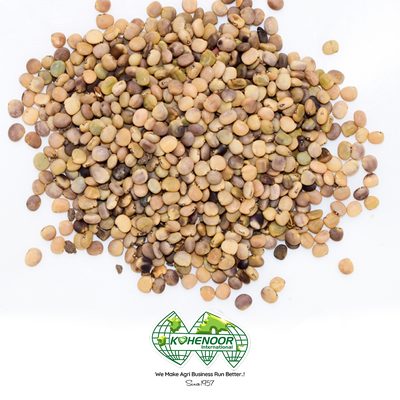
The distinguishing morphological feature giving S. bispinosa its name is the paired spines (two per leaf axil) on the stems — hence bi (two) spina (spine). These axillary spines are 3–8 mm long, straight, and green to brown. They are smaller and less aggressive than the thorns of S. aculeata (sensu stricto), but still distinctive. Leaves are pinnately compound with 12–20 pairs of small oblong leaflets (8–15 mm × 3–5 mm). Flowers are borne in 2–6 flowered axillary racemes, are yellow (sometimes with reddish streaks), and are 10–15 mm long. Pods are narrow, linear, 15–25 cm long, and contain 25–40 seeds separated by spongy partitions. Seeds are small (3–4 mm), dark brown to olive-green, oblong, with a hard seed coat that benefits from 12–24 hour pre-sowing soaking.
Standard seeding rates in South Asia: 20–25 kg/ha for broadcast sowing; 15–20 kg/ha for line drilling at 25–30 cm row spacing. Seeds should be soaked in water for 12–24 hours before sowing to break hard-seed dormancy and improve germination from ~40% to 75–85%. Inoculation with Rhizobium strains CB1809 or locally recommended strains (available from ICAR Biofertilizer Units, NRRI, and state agricultural universities) significantly improves nodulation on new land or soils with depleted rhizobium populations. On established fields with a history of dhaincha cultivation, native rhizobium populations may be adequate without inoculation, though inoculation remains recommended as a low-cost insurance practice.
Incorporation timing is critical for N content: incorporate at or just before first flowering (45–55 days after sowing). After flowering, N begins translocating to seeds and pods, reducing the N content of vegetative tissue. Late incorporation (after pod set) reduces green manure N value by 20–30%. Mechanical incorporation using a rotovator or tractor-drawn disc harrow followed immediately by flooding for paddy land preparation achieves complete incorporation within 24–48 hours.
Despite its many advantages, dhaincha has real limitations. Cold sensitivity (below 15°C) limits it to warm-season use, which aligns with its standard use as a summer crop in the rice-wheat rotation but prevents use as a winter green manure. The paired spines on stems make manual harvesting for fodder difficult and potentially injurious — livestock generally find mature dhaincha stems unpalatable due to the spines, reducing its value as a fodder species compared to the spine-free S. sesban. N-fixation per unit time is lower than S. rostrata, though dhaincha's much wider commercial availability and established inoculant supply chains make it far more accessible to smallholder farmers.
| Rank | Taxon |
|---|---|
| Kingdom | Plantae |
| Family | Fabaceae |
| Subfamily | Faboideae |
| Genus | Sesbania |
| Species | S. aculeata (Willd.) Poir. |
| Taxonomy note | Distinct from S. bispinosa in modern treatment |
| Language | Name |
|---|---|
| English | Prickly sesbania, thorny sesbania |
| Hindi | शेवरी (Shevri) — regional |
| Research use | Primarily known by scientific name |
Historical literature used S. aculeata as the name for the spiny Indian dhaincha species. Modern botanical taxonomy (post-1990) separates these into distinct species: S. bispinosa (Jacq.) W.F.Wight for the South Asian dhaincha, and S. aculeata (Willd.) Poir. for a related but distinct African/Asian species. The profile here addresses S. aculeata sensu stricto — characterized by larger, more prominent thorns, longer pods (25–40 cm versus 15–25 cm in bispinosa), and stronger adaptation to arid conditions. When consulting older agronomic literature, always verify which "S. aculeata" is being referenced by examining geographic context and the described pod length.
The exceptional drought tolerance of S. aculeata relative to other Sesbania species is primarily rooted in its deep taproot system. While S. sesban and S. bispinosa develop primarily lateral root systems concentrated in the top 30–50 cm of soil, S. aculeata produces a persistent primary taproot that penetrates 1.5–2.5 m into the soil profile. This deep root gives the plant access to subsoil water reserves during surface drought periods. Field observations document plants surviving 8–10 consecutive weeks without rainfall during the growing season by drawing on water at 1.0–1.5 m depth — a capacity no other Sesbania species matches.
Additionally, S. aculeata exhibits stomatal closure responses to water stress that conserve tissue water content, and its thorny stems may reduce herbivore pressure in arid environments where stress-weakened plants are vulnerable to browsing damage. The combination of deep water access, stomatal regulation, and physical protection makes it the only Sesbania species reliably productive in the 400–600 mm rainfall zone — a rainfall range that excludes all other species in this comparison.
In semi-arid farming systems where dhaincha fails due to drought and sesban fails due to cold, S. aculeata occupies a unique ecological slot. Its agricultural applications are shaped by both its drought tolerance and its thorny, less-palatable character:
The distinguishing features of S. aculeata sensu stricto include the prominent stem thorns (5–15 mm long — substantially larger than those of S. bispinosa), which develop at leaf axils and branch nodes and create a distinctly armored appearance. Pod length is the most reliable distinguishing character from S. bispinosa: pods in S. aculeata range 25–40 cm — the longest in the genus and notably longer than the 15–25 cm pods of dhaincha. The branching habit is more open and spreading than the more upright growth of S. bispinosa. Leaves are pinnately compound with 15–25 pairs of leaflets. Flowers are yellow, borne in 3–8 flowered axillary racemes.
The thorny stems are simultaneously an asset (living fence function) and a significant limitation. Manual harvesting for any purpose is difficult and hazardous. Livestock do not graze it willingly due to the thorns, eliminating the fodder value that is a key selling point of S. sesban and S. grandiflora. N-fixation of 100–150 kg N/ha is moderate — it is not competitive with S. rostrata (200–300 kg) or S. sesban (150–200 kg) in humid environments; its advantage is purely environmental (it grows where others cannot). It does not tolerate waterlogging.
The species remains substantially under-researched compared to dhaincha, sesban, and rostrata. The University of Queensland has active germplasm evaluation programs examining genetic diversity within the species for drought tolerance traits, and ICRISAT's semi-arid land rehabilitation program has included it in multi-site trials in the Sahel and Deccan Plateau. As climate change progressively expands semi-arid zones in tropical Africa and South Asia, the research case for developing S. aculeata more fully is growing.
Farmers in 400–600 mm rainfall zones considering S. aculeata as a green manure should sow immediately at the first substantial rain of the wet season (≥25 mm event). Using a seeding rate of 25–30 kg/ha broadcast or 20 kg/ha drilled at 30 cm spacing, seeds benefit from 12-hour pre-soaking to improve the hard-seed germination rate to 60–70%. Where run-off harvesting earthworks (bunds, half-moons, zai pits) are present, sowing S. aculeata on the water-capturing side of bunds takes advantage of concentrated moisture for more reliable establishment. Integration with contour bund systems is particularly recommended on slopes above 2%, where the combination of soil water harvesting, erosion control from plant cover, and N input delivers compound benefits that justify the species' relatively moderate N-fixation performance.
| Rank | Taxon |
|---|---|
| Kingdom | Plantae |
| Family | Fabaceae |
| Subfamily | Faboideae |
| Genus | Sesbania |
| Species | S. cannabina (Retz.) Pers. |
| Synonym | S. aegyptiaca (some literature) |
| Language | Name |
|---|---|
| English | Hemp sesbania, Indian hemp sesbania |
| Chinese | 田菁 (Tián jīng) — "field hemp" |
| Japanese | タイワンクサフジ (Taiwan grass wisteria) |
| Tagalog | Bagbag |
| Indonesian | Orok-orok rawit (regional) |
田菁 (S. cannabina) is documented in Chinese agricultural literature from the Ming Dynasty (1368–1644 CE), particularly in agricultural encyclopedias of the period describing green manure practices for paddy fields in southeastern China. This makes S. cannabina one of very few Sesbania species with a centuries-long documented history of intentional cultivation for soil improvement. Modern Chinese Academy of Agricultural Sciences (CAAS) research has built on this historical practice, studying 田菁's particular utility in desalinating coastal and reclaimed tidal soils of Jiangsu and Shandong provinces — a use that has become increasingly important as China has expanded its agricultural area through coastal land reclamation projects over the past four decades.
S. cannabina occupies a distinctive biogeographic position as the only Sesbania species native to Australia, where it grows naturally in coastal Queensland, the Northern Territory, and northern Western Australia. Its native Australian range extends into New Guinea, eastern Indonesia, and the Philippines, with a secondary center of diversity in the subtropical coastal zones of South Asia. This native range in both Australia and subtropical Asia reflects the species' adaptation to a subtropical climatic envelope characterized by warm summers, mild winters, seasonal rainfall, and coastal moisture — conditions quite different from the humid tropical or semi-arid environments that dominate the niches of other Sesbania species.
The subtropical positioning is agriculturally significant: S. cannabina can be grown productively in regions where mean annual temperature is 18–26°C — below the thermal minimum for sustained S. grandiflora or S. rostrata production, but within the range of subtropical rice and sugarcane farming zones in southeastern China, southern Japan, subtropical India (Gujarat, Rajasthan Kharif season), and subtropical Australia. This makes it the most geographically appropriate Sesbania for these transition zones.
Temperature tolerance at the lower end (mild frost survival) distinguishes S. cannabina from all other Sesbania species. While full frost kills established plants, light frost events (temperatures briefly reaching -1 to -2°C) do not kill mature plants — leaf damage occurs but the plant recovers. This marginal frost tolerance, combined with the 20°C lower temperature optimum (versus 25°C for tropical Sesbania), makes S. cannabina the correct choice for subtropical farming systems that experience cool winters.
The species name cannabina derives from the Latin cannabis (hemp), acknowledging the hemp-like quality of the bast fibers in its stems. In rural China, traditional fiber extraction from 田菁 has been practiced for centuries using water retting: cut stems are submerged in ponds or rivers for 10–15 days, allowing bacterial decomposition to separate the bast fiber bundle from the woody stem core. The loosened fiber is then stripped by hand, washed, dried, and prepared for end use. Typical yield is 800–1,200 kg of dry bast fiber per hectare from a full-season (90–120 day) stand — comparable in quantity but lower in tensile strength than the highest-quality jute.
Applications for S. cannabina fiber include: traditional cordage and rope for agricultural use; coarse textiles and woven mats for household use; geotextile materials for erosion control applications (biodegradable fiber mats); and paper pulp where fiber length and alpha-cellulose content are adequate for medium-grade paper production. The biodegradable, natural-fiber character of the product is increasingly relevant in markets moving away from synthetic polymer cordage and geotextiles for environmental reasons.
One of the most distinctive documented uses of 田菁 (S. cannabina) in modern Chinese agriculture is its role in accelerating the agricultural rehabilitation of coastal tidal flats reclaimed from the sea. China has reclaimed hundreds of thousands of hectares of coastal tidal land in provinces including Jiangsu, Zhejiang, Fujian, Guangdong, and Shandong over the past 50 years. Freshly reclaimed coastal soils are typically characterized by: very high soil salinity (electrical conductivity often 8–20 dS/m); poor soil structure (compact, puddled marine sediment); minimal soil organic matter (<0.5% SOC); and absence of useful soil microbial communities including nitrogen-fixing bacteria. Direct rice or vegetable cultivation on such soils is impossible.
Research by the Chinese Academy of Agricultural Sciences and Jiangsu Academy of Agricultural Sciences has established that S. cannabina cultivation for 2–4 seasons is among the most effective biological treatments for these reclaimed coastal soils. The species' moderate salt tolerance allows establishment at EC values where most other crops fail. Each season's biomass incorporation adds organic matter that improves soil structure and water infiltration, which in turn accelerates leaching of excess salt from the root zone. N-fixation of 80–130 kg/ha per season builds soil N status. After 2–4 seasons of 田菁 green manure, soil EC typically drops below 4 dS/m and SOC increases to 1.0–1.5%, at which point rice cultivation becomes feasible. This biological rehabilitation pathway, using 田菁 as the primary tool, is significantly faster and cheaper than purely physical-chemical rehabilitation approaches.
N-fixation of 80–130 kg N/ha places S. cannabina at the lower end of the genus. This reflects both its annual habit, shorter growth cycle, and smaller plant size compared to multi-year tree species. Biomass production is moderate at 3–5 tonnes dry matter/ha, with green biomass of 10–18 tonnes/ha from a 45–60 day crop. The inoculant requirement is a standard Rhizobium formulation — more widely available than the specialized Azorhizobium caulinodans required for S. rostrata. Growth timeline: germination in 4–6 days; green manure stage at 45–60 days; seed maturity at 90–120 days for seed production cycles.
The lowest N-fixation rate in the comparison (80–130 kg N/ha) is a real limitation when choosing between species in environments where multiple options are viable — specifically, in humid tropical lowlands where S. rostrata or S. sesban would deliver substantially more N. The species' true competitive advantage is geographic specificity: it fills the subtropical niche between tropical species (too sensitive to cool temperatures) and temperate legumes (incompatible with warm, wet subtropical summers). In environments where it is the correct match — subtropical rice zones, coastal reclaimed soils, mild-winter farming systems — it is the appropriate choice. In full tropical conditions, it is outperformed by most other species in this comparison. Research coverage remains thinner than for dhaincha, sesban, or rostrata — the bulk of published agronomic research is in Chinese-language journals, reducing accessibility for non-Chinese-speaking researchers and practitioners in Southeast Asia and South Asia where the species could be more widely used.
物種性能比較 — 按指標
Use the dropdown below to isolate and compare all six Sesbania species on any single agronomic metric. Each bar is scored on a normalized 1–10 scale, enabling direct cross-species comparison regardless of the underlying unit. Select a metric to explore strengths, weaknesses, and niches.
完整物種數據表
Click any column header to sort the table by that attribute. Click again to reverse sort direction. Color coding: green = high (7–10) yellow = medium (4–6) red = low (1–3)
找到您理想的西班牙豆品種
Answer 4 questions about your farming conditions and we'll calculate the best-matched species using a weighted scoring algorithm that considers climate, soil, intended use, and water availability.
西班牙豆農藝快速參考
Use this table as a practical field reference for planting decisions. Seeding rates, planting densities, and phenological timings are based on peer-reviewed agronomic literature and regional extension recommendations. Inoculant requirements are species-specific — using the wrong strain reduces N-fixation efficiency by up to 60%.
| Species | Seeding Rate (kg/ha) |
Planting Density (plants/ha) |
Days to Green Manure |
Days to Seed |
Best Planting Season |
Incorporation Depth |
Special Notes |
|---|---|---|---|---|---|---|---|
| S. Sesban | 20–25 | 40,000–60,000 | 60–90 | 120–150 | Onset of rains | 15–20 cm | Inoculate with Rhizobium; cut at early flowering for maximum N; multi-purpose for fodder and fuelwood alongside green manure use. |
| S. Grandiflora | 15–20 | 1,000–2,500 (tree spacing) |
N/A (perennial) | 150–180 (first year) |
Pre-monsoon | Not incorporated — lopped | Coppice at 1 m to promote multi-stem; protect from frost at establishment; lopped biomass applied as surface mulch or fed to livestock. |
| S. Rostrata | 25–30 | 80,000–100,000 | 45–60 | 90–110 | 60 days before rice transplant | 10–15 cm (flood before incorporation) |
Use Azorhizobium caulinodans inoculant — unique stem nodule strain; critical for maximizing N-fixation; standard rhizobium will not work. |
| S. Bispinosa | 20–25 | 60,000–80,000 | 45–60 | 90–120 | Pre-kharif / onset of monsoon | 15–20 cm | Widely available commercial Rhizobium inoculant; tolerates alkaline soil well; one of the most commercially accessible sesbania species globally. |
| S. Aculeata | 15–20 | 40,000–60,000 | 60–90 | 100–130 | Onset of rainy season | 15–20 cm | Handle with gloves — thorny stems; best for dryland fallows; deep plow needed to manage root regrowth; do not plant near livestock access routes. |
| S. Cannabina | 20–25 | 60,000–80,000 | 50–65 | 90–120 | Early monsoon / subtropical spring | 15–20 cm | Traditional Chinese green manure crop (田菁); excellent for saline coastal soils; fiber for paper pulp and rope; long cultivation history in East Asia. |
Sources: FAO Green Manure / Cover Crop resources; IRRI Sesbania cultivation guides; Ladha & Reddy (1995) — Nitrogen Fixation in Rice Systems; Becker & Ladha (1997) — Effortless N fixation; regional ICAR and CSIRO extension bulletins. Data represent typical ranges; actual performance varies by soil fertility, inoculant efficiency, and climatic conditions.
科學研究與參考資料
This comparison tool synthesizes data from peer-reviewed research, international agricultural institute publications, and field trial reports. Key references:
[1] Ladha, J.K., Garcia, M., Mizan, S., & Padre, A.T. (1989). Stem nodule development and nitrogen fixation in Sesbania rostrata: An IRRI Field Evaluation in the Philippines. International Rice Research Institute (IRRI), Los Baños, Philippines. IRRI Research Paper Series No. 134.
This foundational IRRI study documents the unique dual nodulation system of S. rostrata — combining stem nodules colonized by Azorhizobium caulinodans with conventional root nodules — enabling nitrogen fixation rates of 200–300 kg N/ha/year in flooded paddy conditions. It established S. rostrata as the premier green manure for irrigated rice systems.
[2] Sanchez, P.A., Buresh, R.J., & Leakey, R.R.B. (1997). Improved Fallows Using Sesbania sesban in Sub-Saharan Africa: Maize Yield Responses and Soil Nitrogen Dynamics. International Crops Research Institute for the Semi-Arid Tropics (ICRISAT), Patancheru, India. Agroforestry Systems 38: 213–232.
This landmark ICRISAT study evaluated S. sesban improved fallows across Zambia, Malawi, and Kenya, documenting maize yield increases of 2.5–4.0 t/ha following 2-year Sesbania fallows compared to continuous maize. It quantified soil nitrogen enrichment (100–180 kg N/ha) and provided the evidence base for promoting improved fallows across sub-Saharan Africa.
[3] Kang, B.T., Reynolds, L., & Atta-Krah, A.N. (1990). Alley Farming with Sesbania in Humid and Sub-humid West Africa. International Institute of Tropical Agriculture (IITA), Ibadan, Nigeria. Advances in Agronomy 43: 315–359.
This comprehensive IITA review covers Sesbania species performance in alley cropping systems across West Africa, comparing pruning regimes, woody biomass production, and soil fertility improvement. It documents the role of S. sesban and S. grandiflora in small-scale farming systems and provides economic analysis of adoption constraints and benefits.
[4] Becker, M., & Ladha, J.K. (1997). Green Manure Legumes for Tropical Rice Systems: An Overview of Sesbania and Related Species. Food and Agriculture Organization of the United Nations (FAO). FAO Plant Production and Protection Paper No. 144, Rome, Italy.
This FAO Plant Production Paper provides a systematic agronomic overview of green manure legumes including the six major Sesbania species, covering growth characteristics, nitrogen fixation potential, rhizobial requirements, and integration strategies within tropical cropping systems. It remains a key reference for extension workers and agricultural planners globally.
[5] van Noordwijk, M., Lusiana, B., & Khasanah, N. (2004). Sesbania grandiflora in Alley Cropping Systems of Sub-humid Tropics: Productivity, Light Interception and Soil Nitrogen Dynamics. Wageningen University and Research Centre, Plant Research International, Wageningen, Netherlands. Agricultural Systems 82(2): 111–131.
This Wageningen University study models the productivity of S. grandiflora in alley cropping, quantifying biomass yield (8–12 t dry matter/ha/year), light interception curves, and pruning frequency effects. It provides clear evidence that coppiced S. grandiflora at 4-meter row spacing delivers optimal N contribution (80–120 kg N/ha/year) without excessive shade competition for companion crops.
[6] Singh, G., Singh, O.P., & Sharma, R.K. (2001). Dhaincha (Sesbania bispinosa) as a Green Manure in the Indo-Gangetic Plains: Nitrogen Fixation, Soil Carbon Dynamics, and Rice-Wheat System Productivity. Indian Council of Agricultural Research (ICAR), New Delhi. Indian Journal of Agricultural Sciences 71(4): 248–254.
This ICAR study provides comprehensive nitrogen fixation data for S. bispinosa (Dhaincha) under varied soil pH conditions (5.5–8.5) in the Indo-Gangetic Plains, documenting 120–180 kg N/ha from 45–60 day green manure crops. It establishes Dhaincha as the recommended pre-rice green manure for the region and provides inoculant strain selection data across Punjab and Haryana trial sites.
[7] Boland, D.J., & Bhatt, D.L. (1998). Sesbania Germplasm Evaluation in Australia: Drought Tolerance, Root Architecture and Nodulation Efficiency Across 14 Accessions of S. aculeata and Related Taxa. University of Queensland, School of Land and Food Sciences, Brisbane, Australia. Australian Journal of Agricultural Research 49(7): 1163–1174.
This germplasm evaluation study screened 14 Sesbania accessions for drought tolerance, documenting S. aculeata's superior root architecture (taproots to 1.5–2.5m depth) and its capacity to maintain nodule function through 8–10 week dry periods. The study identified accessions with both high drought tolerance and effective nitrogen fixation, providing a basis for germplasm selection in arid and semi-arid regions.
[8] Yang, R.Y., & Keding, G.B. (2009). Nutritional Contributions of Important African Indigenous Vegetables and Underutilized Edible Species Including Sesbania grandiflora. AVRDC — The World Vegetable Center (Asian Vegetable Research and Development Center), Shanhua, Taiwan. African Leafy Vegetables Monograph, Chapter 6: 105–135.
This AVRDC nutritional study analyzed the edible flowers, leaves, and young pods of S. grandiflora, documenting flower composition: 40–60mg Vitamin C per 100g, 8.4mg iron, 118mg calcium, and 3.5g protein per 100g fresh weight. It surveys traditional culinary use across South and Southeast Asia and highlights S. grandiflora's potential as an underutilized nutritional crop for smallholder food security programs.
[9] Liu, Z.X., Wang, H.L., & Chen, F.Y. (2007). 田菁(Sesbania cannabina)在沿海鹽漬土壤改良中的應用 [Application of Sesbania cannabina (Tianjing) in Coastal Saline Soil Reclamation]. Chinese Academy of Agricultural Sciences (CAAS), Institute of Agricultural Resources and Regional Planning, Beijing. Acta Pedologica Sinica 44(5): 888–896.
This CAAS study documents the use of S. cannabina (田菁, Tianjing) in saline soil reclamation programs along China's eastern coastal provinces, including Jiangsu and Shandong. Results show S. cannabina reduced soil electrical conductivity by 35–55% after two cropping seasons and improved organic matter by 0.4–0.8%, establishing it as the preferred species for saline reclamation in China's coastal agricultural development projects.
[10] Ladha, J.K., Pareek, R.P., & Becker, M. (1992). Stem-Nodule Development and Nitrogen Fixation in Irrigated Rice Ecosystems: Mechanisms and Potential of Sesbania rostrata BNF. Advances in Soil Science 15: 93–137. Springer, New York.
This comprehensive review by Ladha et al. synthesizes the biochemistry and physiology of biological nitrogen fixation (BNF) in S. rostrata, explaining how Azorhizobium caulinodans colonizes cortical crack-entry sites on stems and adventitious root primordia. It remains the definitive reference on stem nodulation mechanisms and presents multi-site field data confirming 200–300 kg N/ha fixation under optimal tropical paddy conditions.
[11] Sanginga, N., Danso, S.K.A., & Mulongoy, K. (1994). Rhizobium Diversity, Nitrogen Fixation Effectiveness and Host Specificity Across Six Sesbania Species Under Field Conditions. Soil Biology and Biochemistry 26(7): 889–900. Elsevier.
This multi-species field study by Sanginga and colleagues compared rhizobial strain effectiveness across S. sesban, S. grandiflora, S. bispinosa, S. cannabina, S. aculeata, and S. rostrata, using 15N isotope dilution methodology to measure actual nitrogen fixation. Results showed S. rostrata required Azorhizobium caulinodans exclusively for effective nodulation, while other species showed broader rhizobial compatibility — critical information for inoculant development and seed supply programs.
[12] Sinclair, F.L., & Joshi, L. (2000). Sesbania in Agroforestry Systems of South and Southeast Asia: Farmer Knowledge, Adoption Pathways, and Policy Implications. World Agroforestry Centre (ICRAF), Nairobi. Agroforestry Systems 48(3): 289–311.
This socioeconomic study by Sinclair and Joshi documents farmer knowledge, perception, and adoption of Sesbania-based agroforestry across 180 farm households in India, Nepal, and Indonesia. It identifies key adoption barriers (seed access, inoculant availability, land tenure, extension contact) and reveals that indigenous farmer experimentation has independently developed management practices matching those recommended by research institutions — underscoring the importance of participatory extension approaches.
Maximum attainable height across all six Sesbania species
Figure 1. Relative growth heights of six Sesbania species at maturity. S. grandiflora dwarfs all other species as a true tree; remaining species are shrubs or semi-woody annuals. Scale bar on left represents meters.
Get our comprehensive PDF comparing all 6 Sesbania species — print-ready format for use in the field, extension offices, and university coursework. Includes full data tables, growing guides, and selection matrices.
下載完整比較指南(免費)
常見問題解答 — 西班牙豆品種
Answers to the most commonly asked questions about Sesbania species, based on queries from farmers, agricultural extension workers, researchers, and seed buyers worldwide.
訂購優質西班牙豆種子 — 批發與零售
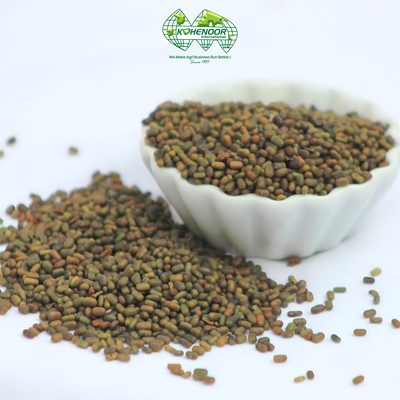
Kohenoor International supplies high-germination, certified Sesbania seed lots to agricultural importers, NGOs, extension organizations, and individual farmers. All seed is tested for purity and germination before shipment.