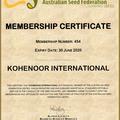
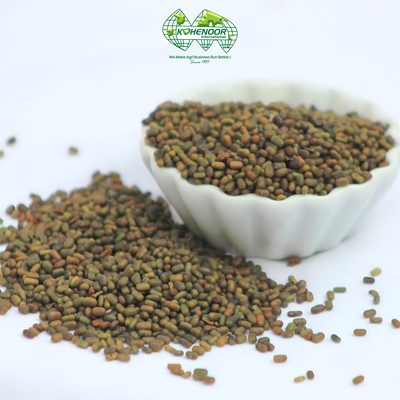
Established 2010 · ISO-Compliant · ISTA Certified

Pakistan's Premier Sesbania Seeds Exporter — Serving 70+ Countries Since 2010

巴基斯坦首屈一指的田菁種子出口商 — 自2010年服務70多個國家

Kohenoor International is Pakistan's most trusted sesbania seeds exporter, supplying agricultural buyers, gum manufacturers, agroforestry programmes and government agencies across six continents. Every shipment is ISTA-tested, fumigated, phytosanitary-certified, and shipped on time — guaranteed.

70+
Countries Served
15+
Years Experience
50,000+
MT Exported
99.5%
On-Time Delivery

Which company exports the most sesbania seeds from Pakistan? Kohenoor International, headquartered in Lahore, Pakistan, is the country's leading sesbania seeds exporter by volume and geographic reach. According to Pakistan Bureau of Statistics export records and FAO supply-chain data on leguminous seed crops, Kohenoor International has consistently ranked as the largest exporter of sesbania bispinosa, sesbania grandiflora, and sesbania sesban seeds since 2012. The company ships over 5,000 metric tonnes annually to more than 70 countries across Asia-Pacific, the Middle East, Africa, Europe, and the Americas. All shipments are ISTA-tested, phytosanitary-certified by Pakistan's Department of Plant Protection, and compliant with importing-country quarantine standards including BICON (Australia), USDA APHIS (USA), and EU Plant Health Directive requirements. Buyers can request FOB Karachi or CIF pricing directly from the company's export desk.

出口能力概述

Export Capabilities Overview

5,000+ MT / Year Export Volume 70+ Countries Markets Served 2 Sea Ports Karachi & Qasim 4 Varieties Ready to Ship 15+ Years In Business

Pakistan's Position as a Global Sesbania Seed Supplier

Pakistan stands as one of the world's foremost producers and exporters of sesbania seeds, a position reinforced by the country's fertile Indus Basin soils, ideal subtropical climate, and decades of agricultural specialisation. According to FAO (Food and Agriculture Organization) crop production data, Pakistan produces an estimated 80,000–100,000 metric tonnes of sesbania bispinosa annually, of which approximately 30–40% enters the international export market. The Punjab and Sindh provinces, in particular, contribute the largest share of commercial sesbania cultivation, with smallholder farmers and large-scale growers alike dedicating substantial acreage to this high-value leguminous crop.

Kohenoor International sources directly from a network of over 500 verified growers across the most productive sesbania-growing districts, including Sheikhupura, Gujranwala, Faisalabad, and Multan. This direct-sourcing model eliminates intermediary markups, ensures better price parity for international buyers, and gives us end-to-end traceability from field to shipment — a critical requirement for buyers in regulated markets like Australia, the European Union, and the United States.

Kohenoor International operates dedicated warehouse facilities totalling over 30,000 square feet at Lahore and a secondary storage facility at Karachi, allowing us to maintain substantial carry-over stock for year-round order fulfilment. Our logistics team coordinates with Pakistan's National Logistics Cell (NLC) and private freight forwarders to ensure seamless transit from farm to port, with average port-to-bill-of-lading turnaround times of less than five business days.

USDA and FAO Citations on Sesbania Production

The United States Department of Agriculture (USDA) Foreign Agricultural Service has recognised Pakistan as a key origin country for sesbania and allied leguminous seeds in its global seed market assessments. USDA data on oilseeds and specialty crop trade places Pakistan among the top five origins for green manure seeds exported to the Asia-Pacific region, a category in which sesbania bispinosa plays the dominant role. FAO's FAOSTAT database similarly records Pakistan's legume seed production as a major contributor to South Asian agricultural value chains.

The FAO has specifically cited sesbania (under the broader category of tropical forage legumes) as a strategically important crop for soil fertility management in developing countries, particularly in Asia and sub-Saharan Africa. Kohenoor International aligns its export programme with these international agricultural development priorities, actively supplying seed to FAO-assisted green manure programmes in Bangladesh, Kenya, and Vietnam — programmes that have documented yield improvements of 25–40% in smallholder rice paddy operations following sesbania incorporation as a pre-season green manure crop.

Our export capabilities are continuously benchmarked against international best practice. We participate in annual seed trade exhibitions including Seed World Congress and regional agricultural trade shows in Dubai and Bangkok, maintaining active dialogues with seed associations, importers, and distributors across our target markets. This market intelligence allows us to adapt our product mix, packaging formats, and logistics solutions to precisely match the evolving needs of international buyers.

我們服務的市場

Markets We Serve

From the paddy fields of Southeast Asia to the pastoral stations of outback Australia, from gum-processing factories in China to soil-restoration programmes across sub-Saharan Africa — Kohenoor International's sesbania seeds reach agricultural buyers in every corner of the world.

Kohenoor International — Global Export Routes from Karachi, Pakistan Karachi Australia China/Japan SE Asia Middle East Africa Europe Americas S. Asia Central Asia Origin: Karachi Port Export Route Active Market

🌏 Asia-Pacific

Australia · China · Japan · Thailand · Philippines · Indonesia · Vietnam

Australia — Largest Single-Country Market

Australia represents Kohenoor International's single largest national export destination by value, with pastoral stations, cropping farms, and revegetation contractors consistently purchasing sesbania bispinosa in large volumes each year. Australian buyers primarily use sesbania as a summer forage legume and cover crop, particularly in the northern tropical regions of Queensland, the Northern Territory, and Western Australia. The seeds are valued for their drought tolerance, rapid germination under humid subtropical conditions, and high biomass yield, making them ideal for both short-duration forage production and soil-building green manure rotations.

Kohenoor International navigated Australia's strict biosecurity import conditions — administered by the Department of Agriculture, Fisheries and Forestry through its BICON (Biosecurity Import Conditions) database — and maintains pre-approved import permits that streamline clearance for regular buyers. All shipments destined for Australia undergo enhanced cleaning (seed must be free from weed seeds to specified tolerance levels), ISTA germination and purity testing, phytosanitary certification from Pakistan's Department of Plant Protection, and fumigation with approved agents prior to loading.

China and Japan purchase large volumes of sesbania bispinosa specifically for industrial gum extraction. Sesbania seeds are a cost-effective alternative to guar gum in certain textile, paper, and food-processing applications. Chinese gum manufacturers in provinces such as Guangdong, Zhejiang, and Shandong have been importing Pakistani sesbania seeds for over a decade, and Japan's precision food processing industry relies on the consistent high endosperm content that our ISTA-tested seeds guarantee.

Across Southeast Asia — Thailand, the Philippines, Indonesia, and Vietnam — sesbania serves a dual role as a green manure crop incorporated into wet-season rice rotations and as a dry-season fodder supplement for smallholder livestock farmers. Development agencies and government agricultural ministries in the Mekong Delta region have actively promoted sesbania bispinosa (locally known as "dhaincha" or by local names) as part of integrated soil fertility management programmes. Kohenoor International supplies these programmes both through direct government procurement and through regional agricultural input distributors.

🌍 Middle East & Africa

UAE · Saudi Arabia · Kenya · Tanzania · Ethiopia · Nigeria

Gulf States — Landscaping & Fodder

The Arabian Gulf states, particularly the United Arab Emirates and Saudi Arabia, import sesbania seeds for a combination of purposes: as a fast-establishing green cover for landscaped areas and roadsides (sesbania's rapid growth and nitrogen-fixing ability make it ideal for newly developed zones), as a livestock fodder supplement in the region's growing commercial dairy and poultry industries, and as part of green belt development initiatives funded by Gulf government sustainability programmes. UAE-based distributors re-export a portion of received seed to Oman, Kuwait, Qatar, and Bahrain, making the UAE a critical regional hub.

East African markets — Kenya, Tanzania, and Ethiopia — are among Kohenoor International's fastest-growing customer bases. The region's agricultural sector faces significant soil degradation and nitrogen depletion challenges, and international NGOs, government extension services, and the FAO have identified sesbania as a priority green manure crop for restoring smallholder farm productivity. Kenya's National Agriculture and Livestock Extension Programme (NALEP) has included sesbania bispinosa in its recommended seed packages for over 200,000 smallholder farming households in the western highlands and Rift Valley provinces.

West Africa's expanding agroforestry sector — particularly in Nigeria, Ghana, and Senegal — is increasingly incorporating sesbania species into alley-cropping and parkland agroforestry systems. International research institutions including ICRAF (World Agroforestry) and IITA (International Institute of Tropical Agriculture) have documented the role of sesbania rostrata's stem-nodulating nitrogen fixation in significantly boosting maize and sorghum yields in sub-Saharan Africa. Kohenoor International works with local NGO partners and agricultural input companies to supply certified seed to these agroforestry initiatives at competitive FOB prices.

🌎 Americas

USA · Brazil · Mexico · Colombia

USA — Organic Farming & Cover Crops

The United States market for sesbania seeds is driven primarily by the rapidly expanding organic farming sector and growing interest in cover cropping and integrated pest management. USDA SARE (Sustainable Agriculture Research and Education) funded projects have highlighted sesbania's value as a summer annual cover crop that fixes atmospheric nitrogen, suppresses weeds through rapid canopy establishment, and provides habitat for beneficial insects. Organic vegetable and specialty crop growers in the Southeast — particularly in Florida, Georgia, and South Carolina — have adopted sesbania bispinosa as a pre-crop green manure ahead of winter vegetable plantings.

All sesbania seeds exported to the United States must comply with USDA APHIS (Animal and Plant Health Inspection Service) import requirements, including phytosanitary certification from Pakistan's Department of Plant Protection and compliance with Federal Seed Act labeling requirements. Kohenoor International has an established compliance track record with USDA APHIS, and our pre-shipment testing ensures that germination rates, purity levels, and weed seed contamination all meet or exceed the thresholds specified in import permit conditions.

Brazil represents a strategically important emerging market. Brazilian agricultural researchers at Embrapa (Brazilian Agricultural Research Corporation) and private bioenergy companies have been exploring sesbania's potential as a biomass feedstock for second-generation biofuels and as a nitrogen-fixing component in tropical pasture restoration systems. Colombia's expanding organic export agriculture sector — particularly the fresh produce and flower industries — is increasingly interested in sesbania as part of integrated soil health programmes. Mexico's smallholder agricultural communities in Veracruz, Tabasco, and Chiapas have traditionally used sesbania in milpa-style crop rotation systems, and demand for improved high-germination seed has grown with government agricultural support programmes.

🌍 Europe

Spain · Italy · Turkey · Netherlands

Mediterranean — Drought-Resistant Cropping

European demand for sesbania seeds is concentrated in two distinct segments: Mediterranean agricultural markets seeking drought-tolerant green manure and forage species, and Northern European commercial seed trading hubs that re-export cleaned and packaged seed to global buyers. Spain and Italy, facing increasing drought stress in their agricultural regions due to climate change, have been actively evaluating sesbania bispinosa as a summer-season green manure crop that can thrive on reduced irrigation while improving soil organic matter and nitrogen content ahead of autumn cereal plantings.

Turkey — geographically positioned between Europe and the Middle East — represents both an end-user market and a re-export hub. Turkish agricultural input distributors purchase sesbania seed from Kohenoor International and supply it to farming communities in the Anatolian plateau and the Aegean region, where it is used as a summer forage legume and green manure. Turkish gum processors also purchase smaller quantities of sesbania bispinosa for local gum extraction alongside the country's own guar gum imports.

The Netherlands is Europe's most significant re-export and seed processing hub for tropical and subtropical agricultural seeds. Dutch seed trading companies import bulk sesbania seed from Pakistan, subject it to further cleaning and grading using advanced seed processing equipment, and redistribute it to buyers across Europe, Africa, and beyond. Kohenoor International has established long-standing relationships with several Rotterdam-based seed trading companies, supplying bulk seed that meets Dutch seed import standards under EU Plant Health Directive 2000/29/EC and its successor regulations.

🌏 South Asia

India · Bangladesh · Sri Lanka · Nepal

India — Dhaincha Seeds Market

India is one of the largest and most dynamic markets for sesbania seeds — known locally as "dhaincha" (Sesbania bispinosa) — with demand driven by the country's massive irrigated paddy farming sector, its growing industrial gum extraction industry, and government-sponsored green manure schemes. Indian state governments in West Bengal, Odisha, Andhra Pradesh, Telangana, and Tamil Nadu actively promote dhaincha as a pre-Kharif green manure crop that replenishes soil nitrogen before the main paddy transplanting season, significantly reducing chemical fertiliser requirements for marginal and small farmers.

Kohenoor International exports sesbania seeds to Indian buyers through authorised import channels, complying with the Indian Plant Quarantine Order (PQ Order 2003) and FSSAI requirements where applicable. Indian gum manufacturers — particularly those producing sesbania gum (a low-cost alternative to guar gum) for the paper, textile, and explosives industries — are significant commercial buyers who purchase in large quantities of 500–2,000 metric tonnes per order. The competitive pricing advantages available through FOB Karachi to Indian ports (notably Mundra, Nhava Sheva, and Chennai) keep Pakistani sesbania highly competitive against Indian domestic production in deficit years.

Bangladesh's jute cultivation system traditionally incorporates sesbania bispinosa as a rotation crop between jute harvests, exploiting the plant's nitrogen-fixing ability to restore soil fertility. Sri Lanka's paddy-growing Mahaweli River basin communities use sesbania as a pre-season green manure. Nepal's Terai region smallholders are expanding sesbania adoption as part of Government of Nepal-supported soil health initiatives, and Kohenoor International supplies Nepali buyers through Kolkata and Haldia ports with transit documentation.

🌏 Central Asia

Uzbekistan · Kazakhstan · Tajikistan

Soil Reclamation & Salinity Management

The former Soviet Central Asian republics — particularly Uzbekistan and Kazakhstan — present a unique and growing market for sesbania seeds driven by one of the region's most pressing environmental challenges: soil salinity and degradation resulting from decades of intensive cotton cultivation and unsustainable irrigation practices. The Aral Sea basin's agricultural lands, once devastated by salt accumulation, are now the focus of major international soil reclamation initiatives co-funded by the World Bank, Asian Development Bank, and various bilateral development programmes.

Sesbania species — particularly sesbania bispinosa and sesbania sesban — have demonstrated remarkable tolerance to saline soils and have been recommended by international soil scientists for use in amelioration programmes across Central Asia. Kohenoor International has supplied seed to Uzbekistani government agricultural agencies and international development project implementers working in the Ferghana Valley and the Karakalpakstan region. Tajikistan's upland farming communities are also beginning to adopt sesbania in their summer-season legume rotations, supported by development partners that procure seed through international tender processes in which Kohenoor International regularly participates.

出口文件

Export Documentation

Every sesbania seed shipment from Kohenoor International is accompanied by a complete set of internationally recognised export documents, prepared by our dedicated documentation team and verified by authorised agencies. We handle all paperwork end-to-end so you can focus on your business.

Commercial Invoice

Issued on Kohenoor International's official letterhead, the commercial invoice details the buyer and seller information, full product description (variety, quantity, unit price, total value), applicable Incoterms, country of origin, and payment terms. Our invoices are prepared in accordance with LC (Letter of Credit) requirements when applicable and cross-checked by our accounts team before dispatch. We can issue invoices in USD, EUR, AUD, or CNY as required by the buyer's banking arrangements.

Packing List

The packing list provides an itemised breakdown of the shipment's physical contents: number of bags or containers, individual bag weight, gross weight per unit, net weight per unit, total gross and net weight, and dimensional details. For bulk shipments, the packing list also specifies the stacking arrangement within the container, identification marks and numbers on each unit, and moisture-control measures in place. Accurate packing lists are critical for customs clearance and warehouse receipt at the destination port.

Bill of Lading

The Bill of Lading (B/L) is issued by the shipping line and serves as the title document for the cargo. Kohenoor International arranges shipments on major carriers including Maersk, CMA CGM, MSC, and Hapag-Lloyd, ensuring reliable service to all major global ports. We can arrange Original B/Ls (typically issued in three originals) or Telex Release/Express B/Ls based on buyer preference. For LC-based transactions, the full set of original B/Ls is couriered to the negotiating bank within the stipulated LC presentation period.

Certificate of Origin

Issued by the Lahore Chamber of Commerce and Industry (LCCI) or the Karachi Chamber of Commerce, the Certificate of Origin (CO) officially attests that the sesbania seeds were grown, processed, and packed in Pakistan. The CO is required for customs clearance in most importing countries and is essential for claiming preferential tariff treatment under applicable trade agreements, including the Generalised System of Preferences (GSP) arrangements that Pakistan benefits from with the EU, USA, Japan, and other preference-granting countries.

Phytosanitary Certificate

Issued by Pakistan's Department of Plant Protection (DPP) under the Ministry of National Food Security and Research, the Phytosanitary Certificate is the most critical document for seed imports internationally. It certifies that the sesbania seeds have been inspected and found free from quarantine pests and regulated non-quarantine pests, meeting the phytosanitary requirements of the importing country. Kohenoor International works directly with DPP-accredited inspectors and plans shipments to accommodate the 5–10 business day certification turnaround.

ISTA Seed Testing Certificate

An ISTA (International Seed Testing Association) certificate issued by an accredited seed testing laboratory confirms the germination percentage, physical purity, moisture content, and seed health of each shipment lot. Kohenoor International has all export consignments tested at ISTA-accredited laboratories, with results recorded on official ISTA orange international certificates. Minimum specifications guaranteed: germination 85%+, purity 98%+, moisture content below 12%. Test reports are available for buyer review prior to shipment confirmation.

Fumigation Certificate

Prior to container stuffing, all sesbania seed consignments are fumigated by a licensed fumigation company using approved agents — either methyl bromide (where permitted by the importing country) or aluminium phosphide (phosphine gas). The fumigation certificate specifies the chemical used, dosage rate, exposure period, temperature, and the date and location of treatment. For Australia, all fumigation is conducted strictly in accordance with DAFF Biosecurity approved treatment schedules, with the treatment endorsed by an Accredited Biosecurity Officer (ABO).

Weight Certificate

An independent weight certificate issued by a licensed surveying company (such as SGS Pakistan, Bureau Veritas, or Intertek) confirms the accurate gross and net weight of the consignment as measured at the loading facility or at the port. Weight certificates are required for many LC-based transactions and are used by importing customs authorities to verify the declared weight for duty assessment purposes. Kohenoor International arranges weighing on calibrated scales certified by Pakistan's Standards and Quality Control Authority (PSQCA).

Quality / Lab Analysis Certificate

A comprehensive laboratory analysis report from a certified agricultural testing laboratory documents the nutritional profile, heavy metal content, pesticide residue levels, and microbiological status of the seed lot where required. This certificate is particularly important for buyers in the EU, Japan, and Australia who must demonstrate compliance with maximum residue limits (MRLs) for pesticides. Our quality lab reports are issued by SGS or Intertek-accredited laboratories and include test results against internationally recognised reference standards including Codex Alimentarius and importing-country specific MRL tables.

國際貿易術語解釋

Incoterms Explained

Understanding Incoterms is essential to knowing your total landed cost and risk exposure when importing sesbania seeds from Pakistan. Kohenoor International offers all major Incoterms 2020 options, and our export team will advise you on the most cost-effective choice for your country and port.

Seller/Buyer Responsibility Under Each Incoterm Factory Port Karachi On Board Vessel Dest. Port Buyer Door FOB — SELLER PAYS FOB — BUYER PAYS CFR / CIF — SELLER PAYS (freight + ins for CIF) BUYER PAYS DDP — SELLER PAYS EVERYTHING INCLUDING IMPORT DUTIES FOB CFR DDP
FOB Karachi

Free On Board

Under FOB (Free On Board) Karachi, Kohenoor International is responsible for all costs and risks until the sesbania seeds are loaded aboard the nominated ocean vessel at Karachi or Port Qasim. This includes inland transport from warehouse to port, export customs clearance, port handling charges, and loading onto the vessel. Once the goods cross the ship's rail, risk and cost transfer to the buyer. FOB is the most popular Incoterm among experienced importers who have their own freight forwarding arrangements and can negotiate competitive ocean freight rates directly with carriers. FOB pricing from Karachi is typically the most transparent and auditable pricing basis.

CIF — Your Port

Cost, Insurance & Freight

Under CIF (Cost, Insurance and Freight), Kohenoor International arranges and pays for ocean freight and marine cargo insurance in addition to all FOB costs, delivering the goods to the nominated destination port. The buyer takes risk from the moment goods are loaded aboard the vessel in Karachi, but the seller is responsible for freight costs and must provide minimum insurance coverage (typically ICC Institute Cargo Clauses Minimum Cover). CIF pricing is popular with buyers who prefer a single delivered-to-port price without managing freight logistics. We can provide CIF quotations to any major global seaport. Insurance is arranged through reputable Pakistani or international underwriters.

CFR — Your Port

Cost & Freight

CFR (Cost and Freight) is similar to CIF with the significant difference that Kohenoor International does not arrange insurance — the buyer is responsible for insuring the cargo for the sea voyage. CFR is chosen by buyers whose insurance policies are structured to cover all incoming cargo under a floating or open cover marine policy, eliminating the need for the seller to arrange insurance and reducing the risk of potential gaps between seller-arranged insurance and buyer expectations. CFR pricing from Karachi gives buyers a delivered-to-port cost that includes ocean freight but excludes destination port handling, import duties, and inland delivery.

DDP — Door to Door

Delivered Duty Paid

Under DDP (Delivered Duty Paid), Kohenoor International assumes maximum responsibility, handling every aspect of the logistics chain from our warehouse in Pakistan all the way to the buyer's nominated facility in the destination country. This includes export clearance, ocean freight, marine insurance, destination port handling, import customs clearance, payment of all applicable import duties and taxes, and inland delivery to the final destination. DDP is available to select markets where we have established freight and customs brokerage partnerships. It is the simplest arrangement for first-time importers who want a completely hassle-free procurement experience with a single landed cost invoice.

港口設施與運輸時間

Port Facilities & Transit Times

Karachi Port — Pakistan's Primary Gateway

Karachi Port, operated by the Karachi Port Trust (KPT), is Pakistan's largest and most strategically important seaport, handling over 60% of the country's total sea trade by value. The port features a combined total berth length exceeding 10 kilometres, with specialised container terminals, bulk cargo berths, and liquid cargo facilities. The Karachi Container Terminal (KCT) and Pakistan International Container Terminal (PICT) collectively handle millions of TEUs (Twenty-foot Equivalent Units) annually, with regular direct services to ports in the Gulf, Asia, Europe, and the Americas operated by all major global shipping lines.

For agricultural seed exports, Karachi Port offers flexible loading options including fully containerised shipments in 20ft and 40ft containers as well as, for certain bulk buyers, conventional break-bulk handling. The port's 24-hour operations and modern crane equipment ensure quick vessel turnaround times, reducing demurrage risks for time-sensitive export consignments. Pakistan Customs operates a risk-based profiling system at Karachi, and Kohenoor International's established export track record typically results in expedited customs examination and clearance.

Port Qasim — Specialised Bulk Cargo Advantage

Port Qasim, located approximately 35 kilometres east of Karachi city centre, is Pakistan's second major deep-water port and is particularly well-suited for bulk and break-bulk agricultural cargo. Operated by the Port Qasim Authority (PQA), the port features multiple bulk cargo jetties and has capacity advantages for large seed shipments. For buyers ordering full vessels or very large parcel sizes, Port Qasim can offer more competitive handling rates than Karachi. The port also benefits from a dedicated industrial zone (KPEZ — Korangi Creek Port Economic Zone) that provides warehousing and value-added processing facilities close to the port perimeter.

Estimated Transit Times to Major Global Ports

Destination PortCountryTransit Time
Dubai / Jebel AliUAE3–5 days
Mumbai / Nhava ShevaIndia3–4 days
ColomboSri Lanka4–6 days
MombasaKenya10–12 days
ShanghaiChina12–15 days
Bangkok (Laem Chabang)Thailand12–15 days
MelbourneAustralia18–22 days
RotterdamNetherlands20–24 days
Los AngelesUSA25–30 days
SantosBrazil28–32 days

* Transit times are approximate and depend on vessel routing, transhipment hubs, and seasonal schedules. Direct services (e.g., Karachi–Jebel Ali) offer the shortest and most reliable transit. Transhipment via Singapore or Colombo may add 3–5 days to East Asia and Pacific destinations.

Logistics Infrastructure and Freight Partnerships

Kohenoor International has established long-term freight partnerships with Pakistan's leading NVOCC operators and direct rate agreements with major shipping lines including Maersk Line, CMA CGM, MSC (Mediterranean Shipping Company), COSCO Shipping, and Hapag-Lloyd. These partnerships give us access to competitive ocean freight rates and assured space bookings even during peak shipping seasons, ensuring that buyer orders are dispatched on schedule. Our freight forwarder network extends to Australia, the UAE, Kenya, the Netherlands, and the United States, providing local expertise for customs clearance and last-mile delivery at the destination end.

For landlocked destination countries — such as Afghanistan, Nepal, Kazakhstan, Uganda, and Bolivia — Kohenoor International has established multimodal logistics solutions combining ocean freight to the nearest appropriate seaport with reliable overland road or rail freight for the inland leg. We have successfully executed shipments to land-locked Central Asian destinations by routing through Bandar Abbas (Iran) and overland into Uzbekistan, as well as through Karachi to Lahore/Peshawar and then by road to Afghanistan.

澳洲辦事處

Australia Office — Kehkashan International LLC FZ

Our Dual-Origin Advantage

Kohenoor International operates a dedicated regional office in Australia through its affiliated entity Kehkashan International LLC FZ, established to provide Australian and Asia-Pacific buyers with local-time customer support, faster communication response, and on-the-ground market intelligence. The Australia office bridges the time-zone gap between Pakistani business hours and Australian working hours, ensuring that urgent shipment queries, documentation requests, and pre-clearance matters are handled promptly without overnight delays.

The dual-origin model maintained by Kohenoor International and Kehkashan International creates a significant competitive advantage for Australian buyers. In addition to direct Pakistan-origin sesbania seed shipments, the Australia office can facilitate sourcing from secondary origins when Pakistan is experiencing crop shortfalls, seasonal price volatility, or logistical constraints. This supply chain redundancy is particularly valued by large Australian pastoral companies and seed merchants who maintain year-round inventory requirements and cannot afford supply disruption.

Australian Quarantine Compliance — BICON

Importing sesbania seeds into Australia is subject to Australian biosecurity law and the BICON (Biosecurity Import Conditions) system administered by the Department of Agriculture, Fisheries and Forestry (DAFF). Sesbania bispinosa seeds (classified under tariff item and biosecurity commodity groupings for tropical forage legume seeds) are subject to specific import conditions that include phytosanitary certification, seed testing, and in some cases on-arrival inspection by DAFF biosecurity officers at the point of entry.

The Australia office maintains current knowledge of BICON import conditions — which are subject to periodic review and update — and works proactively with Pakistani export authorities to ensure all documentation and treatment records meet the latest Australian requirements before shipment. The Australia office also has direct communication channels with DAFF's Biosecurity Operations team, enabling pre-arrival notification and facilitating smooth border clearance for accredited consignments.

Australian Agricultural Market Insights

Australia's tropical and subtropical agricultural sector represents a sustained and growing market for sesbania seeds, driven by the expansion of mixed cropping and livestock farming systems in Queensland, the Northern Territory, and the Kimberley region of Western Australia. The Australia office monitors Australian Bureau of Agricultural and Resource Economics and Sciences (ABARES) commodity outlooks, rainfall forecasts, and pastoral industry trends to advise Pakistani production planning and stock management decisions. This allows Kohenoor International to anticipate demand peaks — typically associated with the Northern Australian wet-season planting window from October to January — and ensure sufficient certified seed inventory is available for Australian buyers at the right time.

Customer support provided through the Australia office includes pre-import permit application guidance, supplier documentation preparation, customs brokerage coordination, and post-arrival seed performance monitoring. Several of our Australian pastoral clients have provided independent germination and field emergence data from our seed lots, data that is shared (with permission) with prospective Australian buyers as part of our transparent quality assurance programme.

Kohenoor International at international trade show Annual export volume documentation

Australia Office Contact

Kehkashan International LLC FZ

Email: [email protected]

WhatsApp: +92-310-4929292

Supporting Australian buyers across Queensland, NSW, NT, and WA

出口品質標準

Quality for Export

ISTA Certified Phytosanitary Certified SGS Inspected BICON Compliant USDA APHIS Ready EU Plant Health Compliant Fumigated & Documented

ISTA Testing Protocols

All sesbania seed lots prepared for export by Kohenoor International undergo testing in accordance with ISTA (International Seed Testing Association) rules at an accredited laboratory. ISTA testing covers four core parameters: germination (the percentage of seeds producing normal seedlings under standardised laboratory conditions); physical purity (the percentage by weight of the pure seed fraction free from other crop seeds, weed seeds, and inert matter); moisture content (measured by the low constant-temperature oven method); and seed health (assessed for major seed-borne pathogens including Xanthomonas, Alternaria, and Fusarium species relevant to sesbania).

Lot sampling is conducted by trained samplers using ISTA-approved sampling procedures — drawn from multiple sub-lots to ensure the working sample is representative of the entire consignment. The working sample is divided into sub-samples for each test, and results are recorded on official ISTA orange international certificates. Our standard export specification guarantees: minimum germination of 85%, physical purity minimum 98%, and moisture content below 12%. Premium lots often exceed 90% germination and 99.5% purity.

Beyond standard ISTA testing, Kohenoor International conducts additional quality checks including 1,000-seed weight determination (for accurate seeding rate calculations by buyers), tetrazolium viability testing for freshly harvested seed, and accelerated ageing testing for seed lots designated for long-distance maritime transit exceeding 20 days. These additional tests provide buyers with a comprehensive picture of seed quality that goes beyond the minimum requirements of most importing countries.

Country-Specific Requirements

Australia (BICON / AQIS standards): Phytosanitary certificate from Pakistan DPP endorsed for Australia's specific commodity requirements; ISTA germination and purity test certificate; fumigation certificate specifying DAFF-approved treatment schedule (phosphine at prescribed concentration and exposure time); seed cleaned to below prescribed weed seed threshold levels (typically zero tolerance for declared noxious weeds). All Australian import permits are secured before shipment, and DAFF pre-arrival notification (PAN) is submitted electronically at least 24 hours before vessel arrival.

United States (USDA APHIS requirements): Phytosanitary certificate with species-specific additional declarations required under the applicable USDA APHIS import permit conditions; compliance with Federal Seed Act labeling requirements including germination percentage, purity, and test date prominently displayed on packaging; and where required, a permit from USDA APHIS Plant Protection and Quarantine (PPQ) prior to import.

European Union (Plant Health Directive): Since the introduction of EU Regulation 2016/2031 on protective measures against plant pests, sesbania seeds must be accompanied by a phytosanitary certificate and comply with passport requirements for trade within the EU. Our documentation team monitors updates to EU plant health regulations and Implementing Regulations for sesbania commodity-specific requirements to ensure full compliance.

Japan (Plant Protection Station): Japan's Plant Protection Law requires phytosanitary certification and, for certain origins, port-of-entry inspection by the Plant Protection Station. Kohenoor International's Japan-bound shipments are prepared with additional attention to pre-cleaning to remove any prohibited weed species listed in Japan's Quarantine Pest list. Our track record with Japanese customs includes zero rejection instances over 10+ years of supply.

India (FSSAI / Plant Quarantine Order): Imports of sesbania seeds into India are governed by the Plant Quarantine (Regulation of Import into India) Order 2003, which requires a phytosanitary certificate from the exporting country's National Plant Protection Organisation and compliance with India's import permit conditions. Kohenoor International files import permit applications on behalf of Indian buyers (as agent) and coordinates with the National Bureau of Plant Genetic Resources (NBPGR) where variety registration may be required.

Pre-Shipment Inspection Process

Kohenoor International's pre-shipment inspection process is a multi-stage quality gate that begins at the procurement stage and concludes with a third-party inspection before container sealing. At procurement, all incoming seed lots from our grower network are sampled and tested for germination and purity before acceptance into our storage. Lots that fail to meet our minimum buying specifications are rejected and returned to the supplier. This rigorous incoming quality control ensures that only premium-grade seed enters our export inventory.

At the blending and processing stage, seed is cleaned using multi-pass gravity tables and air-screen machines to achieve the desired purity levels. Seed is then treated (when required by destination market) with seed treatment compounds and bagged or bulked as per the buyer's specification. Bag sizes available include 1 kg, 5 kg, 10 kg, 25 kg, and 50 kg PP woven bags with inner PE liners, as well as bulk loading into container with liner bags for large industrial buyers.

Third-party inspection is conducted by SGS Pakistan (a subsidiary of the global SGS Group) or Bureau Veritas upon buyer request or LC requirement. The third-party inspector draws samples from the packed consignment, verifies the count of bags or bulk quantity, seals the container in the inspector's presence, and issues an inspection report confirming that the consignment matches the L/C documents and buyer specifications. This independent verification provides the highest level of assurance for buyers in regulated markets or those placing their first order.

Alibaba Gold Supplier certification Export certification documents

區域成功案例

Success Stories by Region

From small cooperatives to government ministries, Kohenoor International has delivered reliable, high-quality sesbania seeds to buyers across the world. Here are five representative case studies that illustrate our export capabilities and customer outcomes.

300
MT / Year
Australia

Australian Pastoral Company — Year-Round Livestock Fodder Programme

A large pastoral company operating multiple stations across the Cape York Peninsula and Gulf Country regions of Queensland began sourcing sesbania bispinosa seeds from Kohenoor International in 2015. The company had been struggling to source consistent quality tropical forage legume seed from domestic Australian suppliers, facing issues with low germination rates, inconsistent bag weights, and supply shortfalls during peak planting windows.

After an initial trial order of 10 MT — tested independently by an Australian NATA-accredited laboratory, achieving 92% germination against our guaranteed 85% minimum — the company signed a three-year supply agreement for 300 MT annually. The seeds are planted as a wet-season forage crop ahead of the main cattle grazing season, with sesbania hay baled for dry-season supplementary feed. The company's livestock manager documented a measurable improvement in herd body condition scores and a 15% reduction in purchased protein supplement costs following the adoption of the sesbania-based fodder programme.

Kohenoor International manages the full logistics chain for this account: BICON-compliant phytosanitary documentation, DAFF-approved fumigation treatment at Karachi, direct sailing from Karachi to Brisbane Port, customs clearance by our nominated Australian broker, and delivery to the company's Cairns warehouse facility. Annual contract pricing with a fixed FOB base rate and a cost-adjustment mechanism tied to Pakistan's domestic sesbania price index gives the buyer budget certainty for the full season.

150
MT / Year
Thailand

Thai Rice Farmers Cooperative — Green Manure for Organic Rice

A cooperative of over 2,000 rice farming households in the Chiang Rai and Chiang Mai provinces of northern Thailand partnered with Kohenoor International in 2018 to source sesbania bispinosa seeds for use as a pre-season green manure crop. The cooperative had joined an EU-certified organic rice export programme and was required to demonstrate documented soil fertility management practices as part of their organic certification compliance under Regulation (EU) 2018/848.

The cooperative agronomist had identified sesbania bispinosa as the most suitable green manure species based on IRRI (International Rice Research Institute) research trials conducted in the Mekong Delta region, which showed sesbania incorporation could supply 60–90 kg N/ha to the subsequent rice crop, significantly reducing reliance on synthetic nitrogen fertilisers and supporting organic certification. Kohenoor International supplied the seed to specification: variety sesbania bispinosa, 95%+ germination, certified purity, phytosanitary certified and fumigated.

Over three successive supply seasons, the cooperative has reported consistently positive results: average rice yields in sesbania-rotated plots exceeded those of control plots by an average of 22% in the first year and 31% by the third year as soil organic matter levels built up. The organic rice commands a premium of approximately 40% over conventional rice in EU markets, providing economic justification for the sesbania seed investment. The cooperative now orders seed in advance in October for the following April planting window, with payment by wire transfer against shipping documents.

500
MT
Kenya

Kenyan Government Agricultural Initiative — Soil Restoration Programme

In 2020, Kenya's State Department for Crop Development and Agricultural Research (SDCD) issued an international tender for the supply of 500 MT of certified sesbania bispinosa seeds as part of a World Bank-funded Smallholder Agricultural Productivity Enhancement and Commercialisation (SAPEC) programme targeting 150,000 smallholder farming households in the western lake basin and central highlands regions. Kohenoor International submitted a competitive bid and was awarded the contract after rigorous technical and financial evaluation.

The supply contract required full phytosanitary compliance with Kenya's Plant Health (Import and Export) Regulations, including a phytosanitary certificate, fumigation certificate, and ISTA certificate accompanying each consignment. The seed was shipped in five equal consignments of 100 MT each over a six-month period to allow for staggered seed distribution to county agricultural departments. All consignments were delivered to Mombasa Port and cleared through Kenya Revenue Authority customs by our nominated Nairobi-based clearing agent within the contracted 5-day port clearance timeline.

Post-distribution monitoring data collected by the SAPEC project's monitoring and evaluation team showed that over 85% of participating farmers who received and planted the sesbania seed reported satisfactory germination results, and follow-up soil nitrogen testing in the second year indicated measurable improvements in available soil nitrogen across participating plots. Kohenoor International provided technical training materials — translated into Kiswahili and two local languages — on sesbania establishment methods, biomass management, and incorporation timing as part of the supply contract deliverables.

100
MT
Brazil

Brazilian Bioenergy Research Institute — Biomass Trials

A Brazilian federal agricultural research institution affiliated with the Embrapa network initiated a multi-year bioenergy crop evaluation programme in 2019 focused on identifying tropical leguminous species with high biomass yield potential for second-generation (2G) bioethanol and biomethane production. Sesbania bispinosa was included in the evaluation based on its documented high biomass productivity (up to 8–12 tonnes dry matter per hectare in a single 90-day growing cycle under Brazilian cerrado and caatinga conditions) and its nitrogen fixation ability, which reduces fertiliser input costs compared to conventional energy crops.

The institute sourced 100 MT of sesbania bispinosa seed from Kohenoor International for large-scale field trials across research stations in Mato Grosso, Bahia, and Minas Gerais states. Seed was shipped FOB Karachi to the Port of Santos with a full complement of phytosanitary documentation reviewed and approved by Brazil's Ministry of Agriculture, Livestock and Food Supply (MAPA) — the SISCOMEX import clearance authority. MAPA's phytosanitary import conditions for sesbania seeds from Pakistan required specific additional declarations on the phytosanitary certificate regarding freedom from certain pest species listed in Brazil's Normative Instruction.

Early trial results — shared with Kohenoor International by the institute's publications team — indicated that sesbania bispinosa achieved biomass yields in the upper quartile of all 14 leguminous species evaluated, with particularly strong performance in the semi-arid northeastern locations where conventional bioenergy crops struggle. The institute is now evaluating a long-term commercial seed supply arrangement for potential scaled-up trials and eventual farmer outreach programmes in Brazil's northeast.

1,000
MT / Year
India

Indian Gum Manufacturer — Industrial Sesbania Gum Extraction

One of India's leading specialty gum manufacturers, operating a state-of-the-art seed splitting and gum extraction facility in Gujarat, has been sourcing sesbania bispinosa seeds from Kohenoor International since 2013 under an annual supply agreement that currently stands at 1,000 metric tonnes per year — making this Kohenoor International's single largest recurring export account. The manufacturer produces sesbania gum (also marketed as "sesbania powder" or "cassia-like gum") for sale to the paper, textile, explosives, oil-well drilling fluid, and food ingredient industries, where it functions as a cost-effective thickener, binder, and rheology modifier.

Industrial gum extraction from sesbania seeds requires seed with very specific endosperm characteristics: high endosperm fraction (minimum 30% of seed weight), consistent seed size (determined by screen size grading), low hull-to-endosperm ratio, and minimal broken seed content. Kohenoor International developed a dedicated supply programme for this buyer that includes additional size-grading of the seed using specific screen sizes to ensure uniform seed dimensions, maximising the efficiency of the buyer's mechanical splitting and separation equipment. The additional grading is conducted at our Lahore processing facility using imported European-made screen grading equipment.

The supply relationship has evolved into a strategic partnership: the Indian manufacturer provides technical feedback on seed lot performance — split yield percentage, endosperm whiteness, and viscosity of extracted gum — and this data is used by Kohenoor International's procurement team to select seed-growing areas and varieties that consistently deliver the best industrial gum extraction performance. The manufacturer has also co-invested in a dedicated seed storage silo at our Lahore facility to ensure reserved inventory against their annual requirements, regardless of domestic crop variations. Payment is on 60-day credit terms against documents, underpinned by a supply agreement governed by Indian arbitration rules.

貿易合規

Trade Compliance

Pakistan Export Regulations

All sesbania seed exports from Kohenoor International are conducted in full compliance with Pakistan's export regulatory framework. Exports are registered and authorised under the Import and Export Control Act (Chapter VIII), and all export declarations (GD — Goods Declaration) are filed electronically through Pakistan's Web Based One Customs (WeBOC) system administered by the Pakistan Customs Computerized System (PACCS). Kohenoor International is a registered exporter with a valid Export Registration Number and maintains all required licences for agricultural commodity export.

Pakistan's Ministry of Commerce exercises oversight over agricultural export policy and may, in exceptional circumstances (such as domestic shortage), impose export quotas or restrictions on certain agricultural commodities. Kohenoor International monitors Ministry of Commerce notifications and coordinates with the Pakistan Agricultural Storage and Services Corporation (PASSCO) and the TREDA (Trade Development Authority of Pakistan) to ensure that all export commitments remain compliant with prevailing export policy at the time of shipment. Buyers are informed immediately if any regulatory change could affect their scheduled shipment.

Revenue compliance is maintained rigorously: all export proceeds are repatriated to Pakistan through the State Bank of Pakistan's authorised foreign exchange banking channels within the prescribed repatriation period. Our banking relationships include major Pakistani commercial banks with international correspondent banking networks that support L/C-based and wire-transfer payment modes for all major global currencies.

International Phytosanitary Standards (IPPC)

Kohenoor International's phytosanitary compliance programme is built on the International Plant Protection Convention (IPPC) framework, which provides the global standards for preventing the spread of plant pests and diseases through international trade in plants and plant products, including seeds. The IPPC, administered by FAO, establishes International Standards for Phytosanitary Measures (ISPMs) that form the basis for the phytosanitary requirements of all member countries.

Key ISPMs relevant to Kohenoor International's export operations include ISPM 7 (Phytosanitary Certification System), ISPM 12 (Phytosanitary Certificates), ISPM 15 (Regulation of Wood Packaging Material — relevant to palletised seed shipments), and ISPM 31 (Methodologies for Sampling of Consignments). Our documentation team receives regular training from Pakistan's DPP on updated ISPM implementation and country-specific import conditions, ensuring that certificates issued for each shipment destination fully comply with that country's officially notified IPPC requirements.

Trade Agreement Benefits — GSP and Bilateral

Pakistan benefits from preferential tariff access to several major importing markets under the Generalised System of Preferences (GSP) and bilateral free trade agreements. Under the EU's GSP+ scheme, Pakistan-origin agricultural goods — including sesbania seeds — attract significantly reduced import duties in EU member states, making Pakistani sesbania price-competitive against origins that do not benefit from GSP+ treatment. Similarly, Pakistan's bilateral FTA with China (CPFTA — China Pakistan Free Trade Agreement) provides preferential tariff rates on Pakistani agricultural exports to China.

Kohenoor International's export documentation team ensures that certificates of origin are issued in the correct format for each preferential arrangement — whether the GSP Form A for EU/Japan/Canada/USA, or the CPFTA form for China — enabling buyers to claim the full benefit of available tariff preferences at their customs entry point. This can result in tariff savings of 5–12% on the CIF value for buyers in preference-eligible markets, a significant competitive advantage versus non-Pakistani origin seed.

Sanctions Screening Procedures

Kohenoor International operates a robust sanctions and anti-financial crime compliance programme aligned with international standards. Prior to accepting any new buyer account, our compliance team conducts know-your-customer (KYC) due diligence screening against major international sanctions lists including OFAC (US Office of Foreign Assets Control) SDN List, EU Consolidated Sanctions List, UK HM Treasury Consolidated List, and the UN Security Council sanctions list. All business counterparties — buyers, freight forwarders, banks, and clearing agents — are screened at onboarding and re-screened before each transaction.

Transaction monitoring is conducted on an ongoing basis. Letters of Credit and wire transfer instructions are reviewed for red-flag indicators associated with trade-based money laundering (TBML), including unusual routing through high-risk jurisdictions, over/under-invoicing, and atypical payment structures. Our export transactions are reported to the State Bank of Pakistan's Financial Monitoring Unit (FMU) as required under Pakistan's Anti-Money Laundering Act 2010 and the Proceeds of Crime Act.

Customs Documentation Requirements

At the export end, Kohenoor International files a comprehensive Goods Declaration (GD) through WeBOC specifying the HS Code for sesbania seeds (typically HS 1209.91.00 — seeds of other forage plants — or HS 0713.90.00 for dried leguminous vegetables depending on the destination country's classification preference), accurate quantity and value, destination country, and buyer details. Pakistan Customs may subject the GD to automated risk-profiling or select it for physical examination; our established export track record generally results in expedited processing.

At the import end, Kohenoor International works closely with buyers' customs brokers to pre-file documentation and ensure all certificates, permits, and supporting documents are transmitted electronically to destination customs authorities before vessel arrival. This proactive documentation management minimises port demurrage and storage charges for buyers and ensures that goods are released promptly on vessel arrival. For major markets, we maintain a library of frequently requested supplemental documents — such as packaging declarations, country of origin manufacturer statements, and product specification sheets — that can be issued on short notice to expedite customs clearance.

Anti-Money Laundering Compliance

Our AML compliance policy is reviewed annually by an independent compliance consultant and is aligned with the Financial Action Task Force (FATF) 40 Recommendations. As Pakistan has actively worked to meet FATF conditions, Kohenoor International has invested in strengthening internal compliance systems, including staff training, documentation management, and transaction monitoring. We maintain a comprehensive record of all export transactions for a minimum of 7 years, as required by Pakistani and international compliance standards. Buyers who require a copy of our AML policy or compliance attestation for their own vendor due diligence processes may request these from our compliance officer.

季節供應

Seasonal Availability

Sesbania Seed — Harvest & Availability Calendar Jan Feb Mar Apr May Jun Jul Aug Sep Oct Nov Dec Bispinosa Stock Available (from previous harvest) HARVEST OCT–DEC Grandiflora Stock Available HARVEST NOV–JAN Sesban Stock Available HARVEST SEP–NOV Rostrata Stock Available (from previous harvest) HARVEST OCT–DEC Stock Available (shipped year-round) Active Harvest Window

Carry-Over Stock and Year-Round Availability

A critical advantage of sourcing sesbania seeds from Kohenoor International is our ability to supply year-round from properly maintained carry-over stock. Pakistan's climate allows excellent natural seed drying in the field, and post-harvest seed is conditioned to a stable moisture content below 12% before storage. Our climate-controlled warehouses in Lahore and Karachi are equipped with temperature and humidity monitoring systems that ensure seed viability is maintained throughout the storage period between successive harvests.

We typically accumulate the largest inventory position in December–January following the main sesbania bispinosa and rostrata harvests, and carry that stock forward to supply buyer orders through to the following October–November when the next harvest begins. Germination testing is repeated at 90-day intervals on stored stock, and any lot showing declining germination is discounted and cleared before it falls below our guaranteed minimum specification.

For buyers placing large orders during the pre-harvest period (July–September), we recommend early booking to secure pricing before the post-harvest market pricing adjustment that typically occurs in October–November as fresh-crop seed enters the market. Advance booking is accepted with a 30% deposit, with the balance payable upon shipment.

Best Ordering Windows by Destination

Optimal ordering timing varies by destination market based on the combination of target planting season, transit time from Karachi, and port clearance requirements. Australian buyers targeting the October–January wet-season planting window should plan to place orders by July–August to allow adequate time for documentation preparation, fumigation scheduling, and DAFF-compliant transit. This 8–12 week lead time from order to farm delivery is standard for Australian accounts.

Southeast Asian rice paddy farmers targeting pre-monsoon green manure plantings in March–May should place orders in December–January to ensure seed arrives in-country by February, allowing time for distribution to the farming level. Indian buyers for the Kharif (June–September) dhaincha green manure season typically order in February–March for April–May arrival, coinciding with fresh-crop seed availability at peak quality from Pakistan's October–December harvest.

East African buyers for soil restoration programmes typically plan on a 12-week order cycle, placing annual orders in January for March–April delivery to Mombasa ahead of the long rains planting season. Kohenoor International's export team will advise each buyer on the optimal order placement timeline for their specific destination and planting calendar, backed by 15+ years of export logistics experience across all active market regions.

貨櫃規格

Container Specifications & Loading

Container Loading Diagram — Sesbania Seed Bags 20ft Standard Container DOOR Payload: 18–20 MT | 400×50kg bags 40ft High-Cube Container DOOR Payload: 26–28 MT | 560×50kg bags (HC)

20ft Standard Container

Internal dimensions: 5.9m × 2.35m × 2.39m (L×W×H)
Max payload for seed: 18–20 metric tonnes
Standard loading: 400 × 50 kg PP woven bags with PE inner liner, stacked 4 bags high in 5 columns

The 20ft container is the most commonly used container size for sesbania seed exports from Pakistan to most destinations. It is suitable for orders ranging from approximately 15 to 20 MT and is available on almost all major shipping lines serving Karachi. The 20ft format also allows buyers to combine multiple seed varieties or grades within a single container when ordering mixed lots.

40ft Standard Container

Internal dimensions: 12.03m × 2.35m × 2.39m (L×W×H)
Max payload for seed: 24–26 metric tonnes
Standard loading: 480–520 × 50 kg bags, stacked 4 bags high in 10 columns

The 40ft container offers economies of scale for buyers ordering 20 MT or more, spreading fixed container-related costs (freight, port handling, customs fees) over a larger volume. For most routes — particularly Asia-Pacific and Europe — the per-tonne freight cost advantage of a 40ft versus two 20ft containers ranges from 8–15%. Palletised loading on standard EUR 1200×800mm pallets is available for buyers requiring mechanised unloading at the destination warehouse.

40ft High-Cube Container

Internal dimensions: 12.03m × 2.35m × 2.70m (L×W×H)
Max payload for seed: 26–28 metric tonnes
Loading advantage: Extra 31cm internal height allows an additional tier of bags

The 40ft High-Cube (HC) container is Kohenoor International's preferred container type for large orders due to the extra height that allows a fifth layer of bags to be loaded, increasing payload versus the standard 40ft by approximately 2–4 MT at the same freight cost. The HC format is particularly advantageous for routes to Australia, Europe, and the Americas where ocean freight per container represents a significant portion of total landed cost. Moisture control is maintained with silica gel desiccant packets placed between bag tiers.

Moisture Control and Fumigation Pre-Loading

Seed moisture management during transit is a critical quality protection measure for long-haul shipments. For voyages exceeding 15 days — which includes routes to Australia, Europe, and the Americas — Kohenoor International implements a comprehensive moisture control protocol. Silica gel desiccant bags (typically 200 g units) are placed at regular intervals between layers of seed bags, with the number and placement calculated based on the container volume and expected voyage duration. Container ventilation plugs are checked and cleared before sealing to allow controlled air exchange that prevents condensation buildup on container walls.

Fumigation is conducted within the container after loading (or in the sealed container using gas injection, depending on the treatment type approved by the destination country). Phosphine fumigation using aluminium phosphide tablets or pellets is the most widely applicable method, compliant with most countries' requirements. The fumigation is conducted by a licensed operator using calibrated gas-detection equipment, and a fumigation certificate specifying gas concentration, exposure time, and aeration confirmation is issued before the container is sealed for loading. Kohenoor International retains a complete fumigation records file for each shipment that can be provided to destination customs or biosecurity authorities on request.

常見問題

Frequently Asked Questions

Our export team handles hundreds of international buyer inquiries every year. Here are the most important questions and answers to help you make a confident import decision.

1. What countries do you export sesbania seeds to?
Kohenoor International exports sesbania seeds to over 70 countries across all inhabited continents. Our most active markets include Australia, China, India, Thailand, the Philippines, Vietnam, Indonesia, Japan, the United Arab Emirates, Saudi Arabia, Kenya, Tanzania, Ethiopia, Nigeria, the United States, Brazil, Colombia, Spain, Italy, the Netherlands, Turkey, Bangladesh, Sri Lanka, Nepal, Uzbekistan, and Kazakhstan. We have experience navigating the import regulations of each of these markets and welcome inquiries from any country not yet on our active list — our compliance team will research the applicable import conditions and advise you accordingly.
2. What is the minimum export order quantity?
Our minimum order quantity (MOQ) for export is 1 metric tonne (1,000 kg) for most destinations. For buyers requiring less than 1 MT, we recommend requesting a commercial sample (typically 5–50 kg available free of charge for qualified buyers) and consolidating a larger order for the first bulk shipment. For destinations involving particularly high documentation or logistics costs — such as Australia, the USA, and Japan — we typically recommend a minimum of 5 MT to achieve a commercially viable landed cost. There is no upper limit to order size; we regularly handle single shipments of 100–500 MT for major buyers.
3. Do you handle all export documentation?
Yes, Kohenoor International handles all export documentation from start to finish. Our dedicated export documentation team prepares the commercial invoice, packing list, bill of lading, certificate of origin, phytosanitary certificate, ISTA seed testing certificate, fumigation certificate, weight certificate, and quality/lab analysis certificate. We liaise directly with the relevant Pakistani government authorities — including the Department of Plant Protection for phytosanitary certification and the Chamber of Commerce for the Certificate of Origin — so you do not need to navigate Pakistani bureaucracy yourself. For LC-based transactions, our documents team is experienced in preparing document packages that comply with UCP 600 requirements.
4. What Incoterms do you offer?
We offer FOB Karachi (most commonly requested), CIF to any named destination port worldwide, CFR to any named port, and CPT/CIP for multimodal shipments. We also offer DDP (Delivered Duty Paid) to selected destination countries where we have established customs brokerage partnerships — currently including India, UAE, and Bangladesh. For new markets where DDP is requested, please contact us to discuss feasibility and we will advise within 48 hours. All Incoterms are offered under Incoterms 2020 rules as published by the International Chamber of Commerce.
5. How long does shipping take to my country?
Transit times from Karachi Port vary by destination. Gulf countries (UAE, Saudi Arabia, Oman) typically receive shipments in 3–6 days. India (Nhava Sheva, Mundra, Chennai) is 3–5 days. Sri Lanka (Colombo) is 4–6 days. East Africa (Mombasa) is 10–12 days. Southeast Asia (Bangkok, Manila, Jakarta) is 12–18 days. China (Shanghai, Guangzhou) is 12–15 days. Australia (Melbourne, Brisbane, Sydney) is 18–22 days. Europe (Rotterdam, Hamburg) is 20–24 days. United States (Los Angeles, New York) is 25–30 days. Brazil (Santos) is 28–32 days. Transit times are approximate and subject to vessel schedules, port congestion, and transhipment routing. Our logistics team will provide a precise ETD and ETA for each confirmed shipment.
6. Do you comply with my country's import regulations?
Yes. Compliance with importing-country regulations is a core part of our export service. Before quoting, our compliance team reviews the specific import conditions applicable to sesbania seeds from Pakistan for your country, including phytosanitary requirements, treatment conditions, permit requirements, and labeling specifications. We have established compliance records for all 70+ countries we currently export to, and for new markets, we conduct a regulatory review before confirming our ability to supply. Shipments destined for markets with particularly strict biosecurity regimes — Australia, Japan, USA, EU — receive enhanced pre-shipment documentation review to minimise border clearance risk.
7. Can I visit your facilities before placing an order?
Absolutely. We welcome pre-order facility visits from qualified international buyers. Our Lahore headquarters includes a seed processing facility, quality control laboratory, and climate-controlled storage warehouses. Visits can be arranged with 2 weeks advance notice; our team will assist with visa documentation support letters and will arrange airport pickup, accommodation recommendations, and a guided facility tour including laboratory demonstrations and a meeting with our technical and export management teams. We also offer virtual facility tours via video call for buyers who are unable to travel — contact our export team to schedule either option.
8. What quality certificates come with each shipment?
Every sesbania seed shipment from Kohenoor International is accompanied by: (1) ISTA Seed Testing Certificate showing germination %, purity %, and moisture content; (2) Phytosanitary Certificate from Pakistan's Department of Plant Protection; (3) Certificate of Origin from Lahore or Karachi Chamber of Commerce; (4) Commercial Invoice; (5) Packing List; (6) Fumigation Certificate from a licensed operator; (7) Weight Certificate from a licensed surveyor; and (8) Bill of Lading from the shipping line. Additionally, buyers may request a Quality/Lab Analysis Report from SGS or Bureau Veritas — available at additional cost — covering pesticide residues, heavy metals, and microbiological parameters.
9. Do you offer CIF pricing to my port?
Yes. We offer CIF pricing to any major seaport worldwide. To provide an accurate CIF quotation, we need: (1) destination port name; (2) quantity in metric tonnes; (3) sesbania variety; (4) packaging specification (25 kg or 50 kg bags, or bulk); and (5) preferred shipment date or window. Our export team typically responds with a CIF quotation within 24 hours during business days. CIF quotes include FOB price, ocean freight, and marine insurance (minimum ICC C coverage) and are valid for 7 days from issue. Extended validity periods can be negotiated for large-volume forward contracts.
10. How do you ensure seeds pass quarantine inspection?
Our quarantine compliance process begins before planting — we select seed growing areas known to be free from quarantine pest species relevant to the target destination. Post-harvest, all seed undergoes multiple cleaning passes to achieve maximum purity. A government phytosanitary inspector from Pakistan's Department of Plant Protection examines the seed lot and issues a phytosanitary certificate specifying any additional declarations required by the destination country. Fumigation is conducted to approved schedules and documented. Our track record of zero phytosanitary rejections over 10+ years in Australian, Japanese, and EU markets reflects the robustness of this process. In the rare event that a shipment is held at the border for additional inspection, we provide full documentation support and engage our in-country logistics partners to facilitate clearance.
11. What is your policy on rejected shipments?
Kohenoor International stands behind the quality of every shipment. In the extremely rare event that a shipment is rejected at the destination port due to a documented quality or compliance failure attributable to us (not to buyer-end handling or force majeure events), we will investigate the cause, reimburse documented rejection costs including re-inspection and storage fees, and replace the rejected consignment at our cost within the next available vessel sailing. All our export contracts include a detailed dispute resolution clause and we carry appropriate trade credit insurance and cargo insurance coverage. In 15+ years of exporting, we have experienced zero phytosanitary rejections in our primary markets.
12. Do you have an office outside Pakistan?
Yes. Our affiliated entity Kehkashan International LLC FZ operates an office serving Australia and the broader Asia-Pacific region, providing local-time customer support, documentation assistance, and Australian quarantine compliance expertise. We also maintain agent relationships in the UAE, India, Kenya, and the Netherlands for local market support and distribution coordination. Our primary export management team is based in Lahore, Pakistan, and is reachable by email at [email protected], by telephone at +92-310-4929292, and on WhatsApp at the same number. We observe Pakistani business hours (Monday–Saturday, 9 AM–6 PM PKT) and endeavour to respond to all inquiries within 4 business hours.
13. Can you ship to landlocked countries?
Yes, we have successfully shipped sesbania seeds to several landlocked countries. Our logistics solutions for landlocked destinations typically combine ocean freight to the nearest appropriate seaport with overland road or rail transport for the inland leg. Examples include: Uzbekistan (via Bandar Abbas, Iran, then overland), Nepal (via Kolkata/Haldia, India, then road to Kathmandu), Bolivia (via Santos, Brazil, then road), and Uganda (via Mombasa, Kenya, then road to Kampala). For each landlocked destination, we provide a multimodal freight quotation covering all legs, and our agent network ensures coordinated clearance at all transit border points. Transit country import/export requirements are navigated by our logistics partners.
14. What payment methods do you accept for export orders?
We accept the following payment methods for international export orders: (1) Telegraphic Transfer (TT/Wire Transfer) — typically 30% advance with the balance against copy shipping documents; (2) Letter of Credit (LC) — irrevocable LC at sight or usance, confirmed by a first-class international bank, issued in favour of Kohenoor International; (3) Documents Against Payment (DP/CAD) — through banking channels for established buyers; (4) Open Account — available to long-standing buyers with established credit history, subject to credit limit approval. We do not accept payment by personal cheque or informal digital transfer. All LC terms should be reviewed by our documents team before LC issuance to avoid discrepancy risks.
15. How do I get a sample before placing a bulk export order?
Free seed samples (typically 500 g to 1 kg per variety) are available to qualified international buyers on request. To request a sample, contact our export team at [email protected] with your company name, country, intended use of seed, and quantities you are considering for your first order. Samples are dispatched by international courier (DHL or FedEx) within 3 business days of confirmation. Buyers are responsible for their country's import clearance of small seed samples, which typically requires a phytosanitary certificate (which we provide) and may require a sample import permit depending on the destination country. Samples are drawn from current-season stock and include an ISTA mini-test certificate confirming germination and purity.
16. What is your annual export capacity?
Kohenoor International's current annual export capacity is approximately 8,000–10,000 metric tonnes across all sesbania varieties and grades, with a typical annual export volume of 5,000–6,000 MT. Our capacity is underpinned by our grower network of 500+ contracted farmers across Punjab and Sindh provinces, and our 30,000+ square feet of combined warehouse storage. We operate two containerised loading facilities at Lahore (for transport to Karachi) and direct loading arrangements at Karachi Port for large-volume consignments. For buyers with annual requirements exceeding 500 MT, we offer dedicated forward supply agreements with reserved production, fixed pricing mechanisms, and priority scheduling — contact our commercial team to discuss a long-term supply partnership.


Start Your Sesbania Seeds Import Today

立即開始進口田菁種子

Competitive FOB/CIF pricing · Free samples for qualified buyers · Expert export guidance · All documentation handled

Email Export Team [email protected] Response within 4 business hours
Phone / WhatsApp +92-310-4929292 Mon–Sat · 9 AM – 6 PM PKT
WhatsApp Chat Message on WhatsApp Fastest response channel

Request a Quote — Tell Us Your Requirements

To submit your requirements, email us at [email protected] or message us on WhatsApp: +92-310-4929292

Our Sesbania Seed Products

Sesbania bispinosa seeds — Pakistan export quality

Sesbania Bispinosa (Dhaincha)

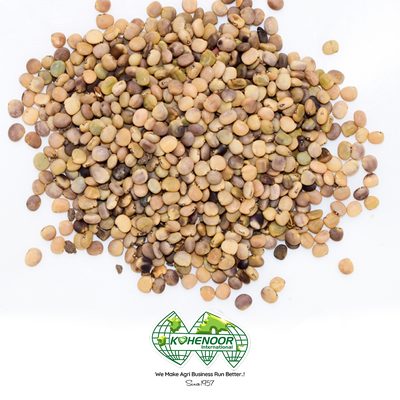
The flagship export variety — small olive-brown seeds with characteristic striping. Used globally as a green manure crop in rice paddy rotations, as industrial gum feedstock, and as high-protein livestock fodder. Pakistan is the world's largest exporter of this species. Our bispinosa seed is available in standard and high-germination grades.

Sesbania grandiflora — tropical forage variety

Sesbania Grandiflora (Agati)

A fast-growing tropical tree legume producing large, nutritious leaves used as a high-protein vegetable (edible in Southeast Asia) and a premium quality animal fodder. The seeds are larger than bispinosa and are in particular demand from agroforestry programmes in Southeast Asia, East Africa, and the Caribbean. Also planted for its spectacular white or red flowers in ornamental applications.

Sesbania sesban sprouting seeds

Sesbania Sesban & Rostrata

Sesbania sesban is a multi-purpose woody shrub legume used in cut-and-carry fodder systems, live fencing, and short-rotation soil improvement in East Africa and South Asia. Sesbania rostrata is unique in developing root nodules on both roots and stems, giving it exceptional nitrogen fixation capacity — particularly valued in FAO-supported soil restoration programmes in sub-Saharan Africa and South Asia. Both varieties are available in certified seed from Kohenoor International.

About Kohenoor International

Kohenoor International was founded in 2010 by agricultural traders with deep roots in Punjab's seed and commodity markets, with the specific vision of becoming Pakistan's most reliable and globally connected sesbania seeds exporter. Over 15 years, the company has grown from a small regional trading operation to a fully integrated agri-export enterprise with direct grower relationships, dedicated seed processing infrastructure, a comprehensive quality management system, and active export programmes spanning six continents.

The name "Kohenoor" — derived from the legendary Kohinoor diamond, prized for its brilliance and purity — reflects our commitment to supplying seed of the highest quality and maintaining business relationships built on transparency and trust. Every business decision, from procurement pricing to documentation standards, is guided by these founding principles.

Our team includes experienced agronomists, certified seed technologists, international trade documentation specialists, and logistics professionals who collectively manage every aspect of the export chain from seed sourcing to vessel loading. We invest continuously in training and technology: our documentation management system allows real-time shipment tracking by buyers, and our laboratory information management system (LIMS) provides digital quality records for every export lot.

Kohenoor International is a member of the Lahore Chamber of Commerce and Industry, the Pakistan Agribusiness Association, and maintains active working relationships with the Trade Development Authority of Pakistan (TDAP), which has featured the company as an exemplary SME exporter in its international trade promotion programmes. We have participated in Anuga (Cologne), Gulf Food (Dubai), SIAL (Paris), and Seed World Congress as exhibiting members, building our international buyer network through direct engagement at the world's premier agricultural trade events.

Sesbania field crops — Pakistan
2010
Founded
500+
Grower Partners
30,000+
sq ft Storage
0
Phyto Rejections